

Introduction to Eye Health Care

Importance of Regular Eye Check-ups
Regular eye check-ups are essential for maintaining optimal eye health and detecting potential issues early. These assessments enable eye care professionals to identify vision changes and prevent severe eye conditions. Routine screenings can lead to timely interventions, ensuring that individuals preserve their sight and overall eye health throughout their lives.
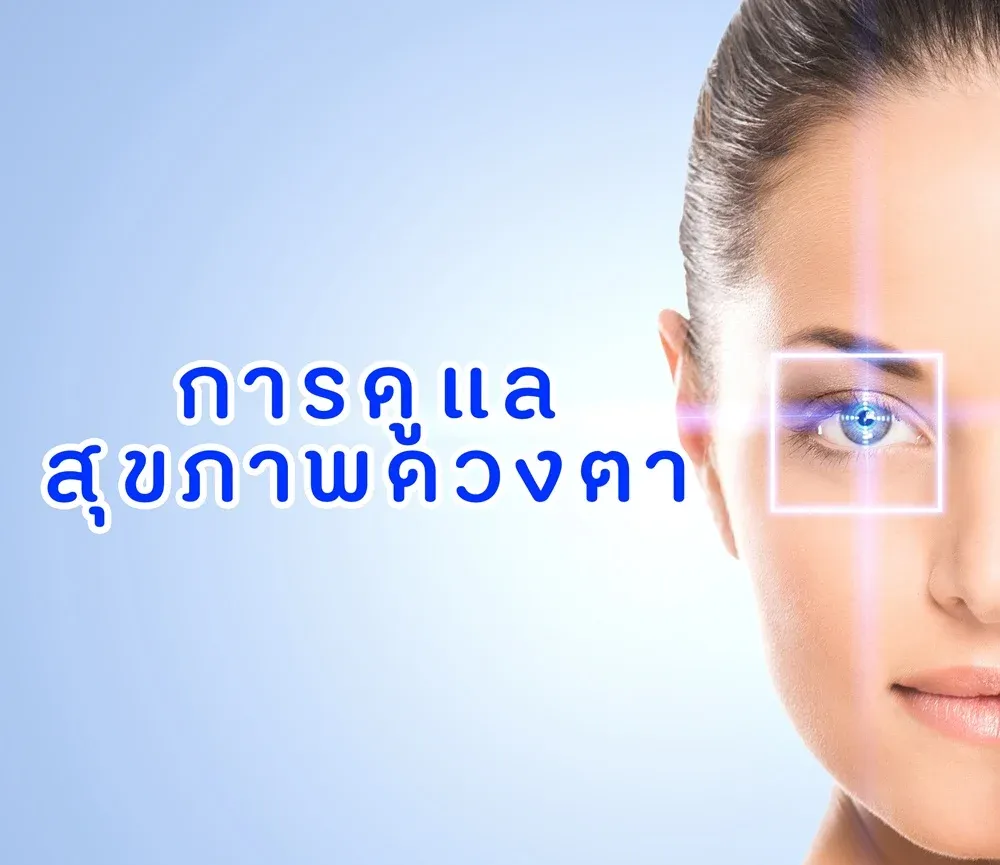
Common Eye Conditions to Be Aware Of
Understanding common eye conditions is crucial for everyone. Some prevalent issues include myopia (nearsightedness), hyperopia (farsightedness), astigmatism, and cataracts. Additionally, age-related macular degeneration and glaucoma can significantly affect vision. By being aware of these conditions, individuals can be proactive and seek care, ultimately leading to better eye health outcomes. Staying informed and vigilant fosters a culture of care that prioritizes long-term well-being.
Tips for Maintaining Good Vision
Healthy Diet and Lifestyle Choices
Incorporating a balanced diet rich in vitamins A, C, and E, omega-3 fatty acids, and lutein can significantly contribute to eye health. Foods such as leafy greens, carrots, and fish can enhance visual function and reduce the risk of developing eye conditions. Additionally, staying hydrated and avoiding excessive screen time can further support lasting vision.
Proper Eye Care Habits
Consistent eye care practices are vital for maintaining good vision. Individuals should prioritize wearing sunglasses to protect against UV rays and should ensure they follow proper hygiene when handling contact lenses. Regular breaks from digital screens, following the 20-20-20 rule, and minimizing eye strain can significantly enhance overall eye comfort and health.
Understanding Eye Diseases
Glaucoma: Causes and Treatment
Glaucoma is a leading cause of irreversible blindness, resulting from damage to the optic nerve, often due to increased intraocular pressure. The condition can be asymptomatic in its early stages, making regular eye exams essential for early detection. Treatment options typically include prescription eye drops, laser therapy, or surgery, aimed at reducing pressure and preserving vision.
Cataracts: Symptoms and Surgical Options
Cataracts involve the clouding of the eye's natural lens, leading to blurred vision and difficulties in night driving. Patients may notice increased glare and difficulty reading. Surgical intervention, where the cloudy lens is replaced with an artificial one, is a highly effective treatment option. Recovery usually involves minimal downtime and can significantly restore visual clarity, enhancing overall quality of life.
Preventive Measures for Eye Health
Protective Eyewear for Different Activities
Utilizing appropriate protective eyewear is crucial for safeguarding vision during various activities. Activities such as construction work, sports, and even household chores can pose risks to eye health. Glasses or goggles that meet safety standards can significantly reduce the risk of injuries. Moreover, sunglasses with UV protection play a vital role in preventing long-term damage caused by harmful sun rays.
Eye Exercises to Reduce Strain
Incorporating eye exercises into daily routines can help alleviate eye strain, particularly for individuals who spend extended periods in front of screens. Simple techniques, such as the 20-20-20 rule, encourage individuals to take breaks by focusing on an object 20 feet away for at least 20 seconds every 20 minutes. These exercises promote relaxation and help maintain overall eye health.
Eye Health for Different Age Groups
Children's Eye Care Needs
Children's eye health is critical as their vision continues to develop. Regular eye exams are essential to identify any issues early on, such as refractive errors or amblyopia. Educators and parents should promote healthy visual habits, like limiting screen time and encouraging outdoor activities.
Aging and Vision Changes
As individuals age, they may experience vision changes, including presbyopia and cataracts. Routine eye examinations become vital to detect age-related eye conditions. Additionally, adopting a diet rich in antioxidants and essential nutrients can support eye health, helping older adults maintain their vision for longer. Understanding these age-specific needs is key to promoting effective eye care across the lifespan.
🔮 คำแปล (ย่อ - ขยาย ) ---- > Click
👉 👉 Introduction to Eye Health Care
Eye health care is essential as it helps preserve vision and allows early detection of potential issues.
การดูแลสุขภาพดวงตามีความสำคัญ เนื่องจากช่วยรักษาการมองเห็นและช่วยให้ตรวจพบปัญหาที่อาจเกิดขึ้นได้ตั้งแต่เนิ่นๆ
👉 👉Importance of Regular Eye Check-ups
Regular eye check-ups are essential for maintaining optimal eye health and detecting potential issues early.
การตรวจสุขภาพดวงตาเป็นประจำมีความสำคัญในการรักษาสุขภาพดวงตาให้อยู่ในสภาพดีและช่วยตรวจพบปัญหาตั้งแต่ระยะแรก
These assessments enable eye care professionals to identify vision changes and prevent severe eye conditions.
การประเมินเหล่านี้ช่วยให้ผู้เชี่ยวชาญด้านการดูแลดวงตาสามารถตรวจพบการเปลี่ยนแปลงในการมองเห็นและป้องกันไม่ให้เกิดภาวะดวงตาที่รุนแรงได้
Routine screenings can lead to timely interventions, ensuring that individuals preserve their sight and overall eye health throughout their lives.
การตรวจคัดกรองอย่างต่อเนื่องสามารถนำไปสู่การดูแลรักษาที่ทันท่วงที เพื่อให้มั่นใจว่าทุกคนสามารถรักษาการมองเห็นและสุขภาพดวงตาของตนเองได้ดีตลอดชีวิต
👉 👉 Common Eye Conditions to Be Aware Of
Understanding common eye conditions is crucial for everyone.
การทำความเข้าใจเกี่ยวกับภาวะดวงตาที่พบบ่อยเป็นสิ่งสำคัญสำหรับทุกคน
Some prevalent issues include myopia (nearsightedness), hyperopia (farsightedness), astigmatism, and cataracts.
ปัญหาที่พบได้บ่อยเช่น สายตาสั้น (myopia), สายตายาว (hyperopia), สายตาเอียง และต้อกระจก
Additionally, age-related macular degeneration and glaucoma can significantly affect vision.
นอกจากนี้ จอตาเสื่อมตามอายุ และ ต้อหิน ยังส่งผลกระทบอย่างมากต่อการมองเห็น
By being aware of these conditions, individuals can be proactive and seek care, ultimately leading to better eye health outcomes.
เมื่อเรารู้เท่าทันภาวะเหล่านี้จะทำให้เราสามารถดูแลป้องกันและเข้ารับการรักษา ซึ่งส่งผลให้มีสุขภาพดวงตาที่ดีขึ้น
Staying informed and vigilant fosters a culture of care that prioritizes long-term well-being.
การตระหนักรู้และระมัดระวังช่วยสร้างวัฒนธรรมการดูแลที่เน้นการเป็นอยู่ที่ดีในระยะยาว
👉 👉 Tips for Maintaining Good Vision
Healthy Diet and Lifestyle Choices
Incorporating a balanced diet rich in vitamins A, C, and E, omega-3 fatty acids, and lutein can significantly contribute to eye health.
การรับประทานอาหารที่สมดุลและอุดมไปด้วยวิตามินเอ ซี และ อี, โอเมก้า-3 และลูทีนสามารถช่วยเสริมสุขภาพดวงตาได้อย่างมาก
Foods such as leafy greens, carrots, and fish can enhance visual function and reduce the risk of developing eye conditions.
อาหาร เช่น ผักใบเขียว แครอท และปลา ช่วยเสริมการทำงานของการมองเห็นและลดความเสี่ยงในการเกิดภาวะดวงตา
Additionally, staying hydrated and avoiding excessive screen time can further support lasting vision.
นอกจากนี้ การดื่มน้ำให้เพียงพอและการหลีกเลี่ยงการใช้หน้าจอเป็นเวลานานสามารถช่วยรักษาการมองเห็นในระยะยาว
🔮 🔮 Proper Eye Care Habits
Consistent eye care practices are vital for maintaining good vision.
การปฏิบัติการดูแลดวงตาอย่างสม่ำเสมอมีความสำคัญต่อการรักษาการมองเห็นให้ดี
Individuals should prioritize wearing sunglasses to protect against UV rays and should ensure they follow proper hygiene when handling contact lenses.
การสวมแว่นกันแดดเพื่อป้องกันรังสียูวี และการรักษาสุขอนามัยในการใช้คอนแทคเลนส์เป็นสิ่งที่ควรให้ความสำคัญ
Regular breaks from digital screens, following the 20-20-20 rule, and minimizing eye strain can significantly enhance overall eye comfort and health.
การพักสายตาจากหน้าจอดิจิตอลเป็นประจำ ตามกฎ20-20-20 และการลดความเครียดในดวงตาจะช่วยเพิ่มความสบายและสุขภาพดวงตาโดยรวมได้มาก
👉 👉 Understanding Eye Diseases
🔮 🔮 Glaucoma: Causes and Treatment
Glaucoma is a leading cause of irreversible blindness, resulting from damage to the optic nerve, often due to increased intraocular pressure.
ต้อหินเป็นสาเหตุหลักของการตาบอดแบบถาวร เนื่องจากเกิดความเสียหายต่อเส้นประสาทตา ซึ่งมักเกิดจากความดันในลูกตาที่เพิ่มขึ้น
The condition can be asymptomatic in its early stages, making regular eye exams essential for early detection.
ภาวะนี้อาจไม่มีอาการในระยะแรก ทำให้การตรวจตาเป็นประจำเป็นสิ่งสำคัญในการตรวจพบแต่เนิ่นๆ
Treatment options typically include prescription eye drops, laser therapy, or surgery, aimed at reducing pressure and preserving vision.
ทางเลือกในการรักษาโดยทั่วไป ได้แก่ การใช้ยาหยอดตาที่สั่งโดยแพทย์ เลเซอร์บำบัด หรือการผ่าตัด เพื่อช่วยลดความดันและรักษาการมองเห็น
🔮 🔮 Cataracts: Symptoms and Surgical Options
Cataracts involve the clouding of the eye's natural lens, leading to blurred vision and difficulties in night driving.
ต้อกระจกคือการที่เลนส์ธรรมชาติของตาขุ่น ส่งผลให้เกิดการมองเห็นที่พร่ามัวและมีปัญหาในการขับรถในเวลากลางคืน
Patients may notice increased glare and difficulty reading.
ผู้ป่วยอาจสังเกตเห็นการสะท้อนแสงที่เพิ่มขึ้นและความยากลำบากในการอ่านหนังสือ
Surgical intervention, where the cloudy lens is replaced with an artificial one, is a highly effective treatment option.
การรักษาด้วยการผ่าตัด ซึ่งจะเปลี่ยนเลนส์ที่ขุ่นมัวด้วยเลนส์เทียม เป็นทางเลือกในการรักษาที่มีประสิทธิภาพสูง
Recovery usually involves minimal downtime and can significantly restore visual clarity, enhancing overall quality of life.
การฟื้นตัวมักใช้เวลาไม่นาน และสามารถคืนความชัดเจนของการมองเห็นได้อย่างมาก ช่วยให้คุณภาพชีวิตดีขึ้นโดยรวม
👉 👉 Preventive Measures for Eye Health
🔮 🔮 Protective Eyewear for Different Activities
Utilizing appropriate protective eyewear is crucial for safeguarding vision during various activities.
การใช้อุปกรณ์ป้องกันตาที่เหมาะสมเป็นสิ่งสำคัญสำหรับการปกป้องการมองเห็นระหว่างการทำกิจกรรมต่างๆ
Activities such as construction work, sports, and even household chores can pose risks to eye health.
กิจกรรม เช่น การทำงานก่อสร้าง กีฬา และงานบ้าน สามารถเสี่ยงต่อสุขภาพดวงตา
🔮 🔮 Glasses or goggles that meet safety standards can significantly reduce the risk of injuries.
การสวมแว่นตาหรือแว่นนิรภัยที่มีมาตรฐานความปลอดภัยสามารถลดความเสี่ยงต่อการบาดเจ็บได้มาก
Moreover, sunglasses with UV protection play a vital role in preventing long-term damage caused by harmful sun rays.
นอกจากนี้ แว่นกันแดดที่มีการป้องกันรังสียูวียังมีบทบาทสำคัญในการป้องกันความเสียหายระยะยาวจากแสงแดดที่เป็นอันตราย
🔮 🔮 Eye Exercises to Reduce Strain
Incorporating eye exercises into daily routines can help alleviate eye strain, particularly for individuals who spend extended periods in front of screens.
การผสมผสานการออกกำลังกายตาในกิจวัตรประจำวันสามารถช่วยลดความเครียดของตาได้ โดยเฉพาะสำหรับผู้ที่ใช้เวลาหน้าจอเป็นเวลานาน
Simple techniques, such as the 20-20-20 rule, encourage individuals to take breaks by focusing on an object 20 feet away for at least 20 seconds every 20 minutes.
เทคนิคง่ายๆ เช่น กฎ20-20-20 กระตุ้นให้คนพักสายตาโดยมองไปที่วัตถุที่อยู่ห่างออกไป 20 ฟุต เป็นเวลาอย่างน้อย 20 วินาทีในทุกๆ 20 นาที
These exercises promote relaxation and help maintain overall eye health.
การออกกำลังกายเหล่านี้ช่วยให้ตาผ่อนคลายและรักษาสุขภาพดวงตาโดยรวม
👉 👉 Eye Health for Different Age Groups
🔮 🔮 Children's Eye Care Needs
Children's eye health is critical as their vision continues to develop.
สุขภาพดวงตาของเด็กมีความสำคัญ เนื่องจากการมองเห็นของพวกเขายังคงพัฒนาอยู่
Regular eye exams are essential to identify any issues early on, such as refractive errors or amblyopia.
การตรวจตาเป็นประจำเป็นสิ่งจำเป็นในการตรวจพบปัญหาตั้งแต่เนิ่นๆ เช่น ความผิดปกติทางการหักเหของแสง หรือ ภาวะสายตาขี้เกียจ
Educators and parents should promote healthy visual habits, like limiting screen time and encouraging outdoor activities.
ครูและผู้ปกครองควรส่งเสริมนิสัยการมองเห็นที่ดี เช่น การจำกัดเวลาในการใช้หน้าจอและการส่งเสริมให้ทำกิจกรรมกลางแจ้ง
🔮 🔮 Aging and Vision Changes
As individuals age, they may experience vision changes, including presbyopia and cataracts.
เมื่ออายุเพิ่มขึ้น บุคคลอาจประสบกับการเปลี่ยนแปลงในการมองเห็น เช่น สายตายาวตามวัย และต้อกระจก
Routine eye examinations become vital to detect age-related eye conditions.
การตรวจตาอย่างต่อเนื่องมีความสำคัญในการตรวจพบภาวะตาที่เกี่ยวข้องกับอายุ
Additionally, adopting a diet rich in antioxidants and essential nutrients can support eye health, helping older adults maintain their vision for longer.
นอกจากนี้ การรับประทานอาหารที่อุดมไปด้วยสารต้านอนุมูลอิสระและสารอาหารที่จำเป็นสามารถสนับสนุนสุขภาพดวงตา ช่วยให้ผู้สูงอายุรักษาการมองเห็นได้นานขึ้น
Understanding these age-specific needs is key to promoting effective eye care across the lifespan.
การเข้าใจถึงความต้องการที่แตกต่างตามวัยเหล่านี้เป็นกุญแจสำคัญในการส่งเสริมการดูแลดวงตาที่มีประสิทธิภาพตลอดช่วงชีวิต
🔮 รายละเอียดเพิ่มเติม (ย่อ - ขยาย ) ---- > Click
1. Check-ups (การตรวจสุขภาพ)
- ใช้เพื่อหมายถึงการตรวจสอบสุขภาพเป็นระยะๆ
- *Regular eye check-ups are important for maintaining vision.* (การตรวจสุขภาพตาเป็นประจำมีความสำคัญต่อการรักษาสายตา)
2. Vision (การมองเห็น)
- หมายถึงความสามารถในการมองเห็น
- *Good vision is essential for daily activities.* (การมองเห็นที่ดีเป็นสิ่งจำเป็นสำหรับกิจกรรมประจำวัน)
3. Conditions (สภาพ)
- ใช้เพื่อหมายถึงสถานะหรืออาการของสุขภาพ
- *There are many common eye conditions to be aware of.* (มีสภาพตาที่พบบ่อยมากมายที่ควรทราบ)
4. Myopia (สายตาสั้น)
- สภาพที่ทำให้มองเห็นวัตถุใกล้ได้ชัด แต่ไม่สามารถมองเห็นวัตถุไกลได้ชัด
- *Myopia is common among children and teenagers.* (สายตาสั้นเป็นเรื่องปกติในเด็กและวัยรุ่น)
5. Hyperopia (สายตายาว)
- สภาพที่ทำให้มองเห็นวัตถุไกลได้ชัด แต่ไม่สามารถมองเห็นวัตถุใกล้ได้ชัด
- *Hyperopia can cause difficulty in reading.* (สายตายาวอาจทำให้การอ่านเป็นเรื่องยาก)
6. Astigmatism (กระจกตาผิดปกติ)
- สภาพที่มองเห็นไม่ชัดเจนเนื่องจากรูปทรงของกระจกตาไม่ปกติ
- *Astigmatism can lead to blurred vision at all distances.* (กระจกตาผิดปกติอาจทำให้การมองเห็นไม่ชัดในทุกระยะ)
7. Cataracts (ต้อกระจก)
- สภาพที่ทำให้เลนส์ตาขุ่นและทำให้การมองเห็นเบลอ
- *Cataracts can significantly affect your quality of life.* (ต้อกระจกสามารถส่งผลกระทบต่อคุณภาพชีวิตของคุณได้อย่างมาก)
8. Glaucoma (ต้อหิน)
- สภาพที่เกิดจากความดันในลูกตาสูง ทำให้เกิดความเสียหายต่อเส้นประสาทตา
- *Glaucoma is often asymptomatic in its early stages.* (ต้อหินมักไม่มีอาการในระยะเริ่มต้น)
9. Macular degeneration (การเสื่อมสภาพของจุดรับภาพ)
- สภาพที่ส่งผลกระทบต่อจุดศูนย์กลางของการมองเห็น
- *Age-related macular degeneration can lead to vision loss.* (การเสื่อมสภาพของจุดรับภาพที่เกี่ยวข้องกับอายุสามารถนำไปสูการสูญเสียการมองเห็น)
10. Nutrition (โภชนาการ)
- หมายถึงการรับประทานอาหารที่มีประโยชน์ต่อสุขภาพ
- *Proper nutrition is vital for maintaining eye health.* (โภชนาการที่เหมาะสมมีความสำคัญต่อการรักษาสุขภาพตา)
11. Hydration (การให้ความชุ่มชื้น)
- หมายถึงการดื่มน้ำเพื่อรักษาความชุ่มชื้นในร่างกาย
- *Staying hydrated is important for overall health.* (การให้ความชุ่มชื้นเป็นสิ่งสำคัญต่อสุขภาพโดยรวม)
12. Screen time (เวลาที่ใช้หน้าจอ)
- หมายถึงเวลาที่ใช้ในการมองหน้าจอคอมพิวเตอร์หรือโทรศัพท์
- *Limiting screen time can help reduce eye strain.* (การจำกัดเวลาที่ใช้หน้าจอสามารถช่วยลดความเครียดต่อดวงตา)
13. Sunglasses (แว่นกันแดด)
- ใช้เพื่อปกป้องดวงตาจากรังสี UV
- *Wearing sunglasses can protect your eyes from harmful rays.* (การสวมแว่นกันแดดสามารถปกป้องดวงตาของคุณจากรังสีที่เป็นอันตราย)
14. Eye drops (ยาหยอดตา)
- ใช้เพื่อรักษาหรือบรรเทาอาการที่เกี่ยวข้องกับดวงตา
- *Eye drops are often prescribed for glaucoma patients.* (ยาหยอดตามักถูกสั่งจ่ายให้กับผู้ป่วยต้อหิน)
15. Laser therapy (การบำบัดด้วยเลเซอร์)
- ใช้เทคโนโลยีเลเซอร์ในการรักษาสภาพดวงตา
- *Laser therapy can be effective in treating certain eye conditions.* (การบำบัดด้วยเลเซอร์สามารถมีประสิทธิภาพในการรักษาสภาพดวงตาบางอย่าง)
16. Surgery (การผ่าตัด)
- การดำเนินการทางการแพทย์เพื่อรักษาอาการ
- *Surgery may be necessary for severe cataracts.* (การผ่าตัดอาจจำเป็นสำหรับต้อกระจกที่รุนแรง)
17. Preventive measures (มาตรการป้องกัน)
- วิธีการที่ใช้เพื่อป้องกันปัญหาสุขภาพ
- *Preventive measures are crucial for maintaining eye health.* (มาตรการป้องกันมีความสำคัญต่อการรักษาสุขภาพตา)
18. Protective eyewear (แว่นตาป้องกัน)
- แว่นตาที่ใช้เพื่อป้องกันอันตรายจากกิจกรรมต่างๆ
- *Wearing protective eyewear is essential during sports.* (การสวมแว่นตาป้องกันเป็นสิ่งจำเป็นในระหว่างการเล่นกีฬา)
19. Eye exercises (การออกกำลังกายดวงตา)
- กิจกรรมที่ช่วยลดความเครียดและพัฒนาสุขภาพตา
- *Eye exercises can help alleviate strain from screens.* (การออกกำลังกายดวงตาสามารถช่วยบรรเทาความเครียดจากหน้าจอ)
20. 20-20-20 rule (กฎ 20-20-20)
- กฎที่แนะนำให้มองไปที่วัตถุที่อยู่ห่างออกไป 20 ฟุตทุกๆ 20 นาที
- *Following the 20-20-20 rule can reduce eye fatigue.* (การปฏิบัติตามกฎ 20-20-20 สามารถลดความเมื่อยล้าของดวงตา)
21. Amblyopia (ตาขี้เกียจ)
- สภาพที่ทำให้การมองเห็นในตาข้างหนึ่งไม่พัฒนาเต็มที่
- *Amblyopia is often treated in childhood.* (ตาขี้เกียจมักได้รับการรักษาในวัยเด็ก)
22. Refractive errors (ข้อผิดพลาดในการหักเห)
- ความผิดปกติที่ทำให้การมองเห็นไม่ชัดเจน
- *Refractive errors can be corrected with glasses.* (ข้อผิดพลาดในการหักเหสามารถแก้ไขได้ด้วยแว่นตา)
23. Optic nerve (เส้นประสาทตา)
- เส้นประสาทที่ส่งสัญญาณจากตาไปยังสมอง
- *Damage to the optic nerve can lead to vision loss.* (ความเสียหายต่อเส้นประสาทตาสามารถนำไปสูการสูญเสียการมองเห็น)
24. Intraocular pressure (ความดันในลูกตา)
- ความดันภายในลูกตาที่อาจส่งผลต่อสุขภาพตา
- *Monitoring intraocular pressure is important for glaucoma patients.* (การตรวจสอบความดันในลูกตาเป็นสิ่งสำคัญสำหรับผู้ป่วยต้อหิน)
25. Blurred vision (การมองเห็นเบลอ)
- สภาพที่ทำให้ภาพไม่ชัดเจน
- *Blurred vision can be a sign of cataracts.* (การมองเห็นเบลออาจเป็นสัญญาณของต้อกระจก)
26. Glare (แสงจ้า)
- แสงที่ทำให้มองเห็นได้ยาก
- *Glare can make night driving challenging.* (แสงจ้าสามารถทำให้การขับรถในเวลากลางคืนเป็นเรื่องท้าทาย)
27. Quality of life (คุณภาพชีวิต)
- สภาพความเป็นอยู่ที่ดีในชีวิตประจำวัน
- *Good vision contributes to a better quality of life.* (การมองเห็นที่ดีช่วยเพิ่มคุณภาพชีวิต)
28. Outdoor activities (กิจกรรมกลางแจ้ง)
- กิจกรรมที่ทำในที่โล่งแจ้ง
- *Encouraging outdoor activities can benefit children's eye health.* (การส่งเสริมกิจกรรมกลางแจ้งสามารถเป็นประโยชน์ต่อสุขภาพตาของเด็ก)
29. Vitamins (วิตามิน)
- สารอาหารที่จำเป็นต่อร่างกาย
- *Vitamins A, C, and E are important for eye health.* (วิตามิน A, C, และ E มีความสำคัญต่อสุขภาพตา)
30. Antioxidants (สารต้านอนุมูลอิสระ)
- สารที่ช่วยปกป้องเซลล์จากความเสียหาย
- *Antioxidants can help protect against age-related eye diseases.* (สารต้านอนุมูลอิสระสามารถช่วยป้องกันโรคตาที่เกี่ยวข้องกับอายุ)
31. Health professionals (ผู้เชี่ยวชาญด้านสุขภาพ)
- ผู้ที่มีความรู้และทักษะในการดูแลสุขภาพ
- *Consult health professionals for eye care advice.* (ปรึกษาผู้เชี่ยวชาญด้านสุขภาพเพื่อขอคำแนะนำในการดูแลตา)
32. Interventions (การแทรกแซง)
- การดำเนินการเพื่อแก้ไขปัญหาสุขภาพ
- *Timely interventions can prevent serious eye conditions.* (การแทรกแซงที่ทันท่วงทีสามารถป้องกันสภาพตาที่รุนแรงได้)
33. Awareness (การตระหนักรู้)
- การรับรู้และเข้าใจเกี่ยวกับเรื่องใดเรื่องหนึ่ง
- *Awareness of eye health is crucial for prevention.* (การตระหนักรู้เกี่ยวกับสุขภาพตาเป็นสิ่งสำคัญสำหรับการป้องกัน)
34. Proactive (เชิงรุก)
- การดำเนินการก่อนที่จะเกิดปัญหา
- *Being proactive about eye care can lead to better outcomes.* (การดำเนินการเชิงรุกเกี่ยวกับการดูแลตาสามารถนำไปสู่ผลลัพธ์ที่ดีกว่า)
35. Comfort (ความสบาย)
- ความรู้สึกที่ดีและไม่เครียด
- *Proper eye care can enhance your comfort during screen use.* (การดูแลตาที่เหมาะสมสามารถเพิ่มความสบายให้กับคุณในระหว่างการใช้งานหน้าจอ)
36. Symptoms (อาการ)
- สัญญาณที่บ่งบอกถึงปัญหาสุขภาพ
- *Recognizing symptoms early can lead to effective treatment.* (การรับรู้ถึงอาการในระยะเริ่มต้นสามารถนำไปสู่การรักษาที่มีประสิทธิภาพ)
37. Household chores (งานบ้าน)
- งานที่ทำในบ้าน
- *Wearing protective eyewear during household chores is important.* (การสวมแว่นตาป้องกันในระหว่างทำงานบ้านเป็นสิ่งสำคัญ)
38. Timely (ทันท่วงที)
- การทำในเวลาที่เหมาะสม
- *Timely eye exams can catch problems early.* (การตรวจตาทันท่วงทีสามารถจับปัญหาได้ในระยะเริ่มต้น)
39. Long-term (ระยะยาว)
- เกี่ยวข้องกับอนาคตที่ยาวนาน
- *Long-term eye care is essential for maintaining vision.* (การดูแลตาในระยะยาวเป็นสิ่งจำเป็นสำหรับการรักษาการมองเห็น)
40. Lifestyle choices (การเลือกใช้ชีวิต)
- การตัดสินใจเกี่ยวกับวิถีชีวิตที่มีผลต่อสุขภาพ
- *Healthy lifestyle choices can improve eye health.* (การเลือกใช้ชีวิตที่ดีสามารถปรับปรุงสุขภาพตาได้)
41. Enhance (เพิ่มพูน)
- ทำให้ดีขึ้นหรือมีคุณภาพสูงขึ้น
- *Certain foods can enhance your vision.* (อาหารบางชนิดสามารถเพิ่มพูนการมองเห็นของคุณได้)
42. Relaxation (การผ่อนคลาย)
- สภาพที่ไม่มีความเครียด
- *Relaxation techniques can help reduce eye strain.* (เทคนิคการผ่อนคลายสามารถช่วยลดความเครียดของดวงตา)
43. Safety standards (มาตรฐานความปลอดภัย)
- ข้อกำหนดที่ต้องปฏิบัติเพื่อความปลอดภัย
- *Protective eyewear should meet safety standards.* (แว่นตาป้องกันควรเป็นไปตามมาตรฐานความปลอดภัย)
44. Timely interventions (การแทรกแซงที่ทันท่วงที)
- การดำเนินการที่ทำในเวลาที่เหมาะสม
- *Timely interventions can prevent vision loss.* (การแทรกแซงที่ทันท่วงทีสามารถป้องกันการสูญเสียการมองเห็นได้)
45. Caring culture (วัฒนธรรมการดูแล)
- สังคมที่ให้ความสำคัญกับการดูแลสุขภาพ
- *Fostering a caring culture can improve community health.* (การส่งเสริมวัฒนธรรมการดูแลสามารถปรับปรุงสุขภาพของชุมชนได้)
46. Support (การสนับสนุน)
- การช่วยเหลือหรือสนับสนุนในเรื่องใดเรื่องหนึ่ง
- *Support from family can encourage healthy eye habits.* (การสนับสนุนจากครอบครัวสามารถกระตุ้นนิสัยการดูแลตาที่ดี)
47. Engagement (การมีส่วนร่วม)
- การเข้าร่วมในกิจกรรมหรือการทำงานร่วมกัน
- *Community engagement in eye health initiatives is important.* (การมีส่วนร่วมของชุมชนในโครงการสุขภาพตาเป็นสิ่งสำคัญ)
48. Awareness campaigns (แคมเปญการตระหนักรู้)
- กิจกรรมที่มีเป้าหมายเพื่อเพิ่มความรู้เกี่ยวกับเรื่องใดเรื่องหนึ่ง
- *Awareness campaigns can educate the public about eye health.* (แคมเปญการตระหนักรู้สามารถให้ความรู้แก่สาธารณชนเกี่ยวกับสุขภาพตา)
49. Routine screenings (การตรวจสอบประจำ)
- การตรวจสอบที่ทำเป็นประจำเพื่อสุขภาพ
- *Routine screenings are essential for early detection of eye issues.* (การตรวจสอบประจำเป็นสิ่งจำเป็นสำหรับการตรวจจับปัญหาตาในระยะเริ่มต้น)
50. Long-term well-being (ความเป็นอยู่ที่ดีในระยะยาว)
- สภาพความเป็นอยู่ที่ดีในอนาคต
- *Investing in eye health contributes to long-term well-being.* (การลงทุนในสุขภาพตาช่วยส่งเสริมความเป็นอยู่ที่ดีในระยะยาว)
หวังว่าคำศัพท์และตัวอย่างประโยคเหล่านี้จะเป็นประโยชน์ในการเรียนรู้และเข้าใจเกี่ยวกับการดูแลสุขภาพตา!

🔮 รายละเอียดเพิ่มเติม (ย่อ - ขยาย ) ---- > Click
ntroduction to Eye Health Care: Multiple-Choice Quiz
1. Why are regular eye check-ups important?
A) They are optional but encouraged.
B) They help detect vision changes and prevent severe eye conditions.
C) They only focus on improving vision without addressing other eye health aspects.
D) They are only needed for those with existing eye problems.
2. Which of the following is NOT a common eye condition mentioned?
A) Myopia
B) Hyperopia
C) Astigmatism
D) Dry Eye Syndrome
3. What dietary component is most helpful for eye health?
A) Proteins
B) Carbohydrates
C) Vitamins A, C, and E
D) Sugars
4. What is one benefit of incorporating omega-3 fatty acids into your diet for eye health?
A) It supports overall heart health.
B) It helps in reducing screen time.
C) It contributes to better vision.
D) It has no relation to eye health.
5. What is the 20-20-20 rule meant for?
A) To reduce stress by relaxing the body every 20 minutes.
B) To take breaks from digital screens and reduce eye strain.
C) To practice deep breathing exercises.
D) To drink water every 20 minutes.
6. Which of the following is a treatment option for cataracts?
A) Eye drops
B) Contact lenses
C) Surgery to replace the cloudy lens
D) Glasses with UV protection
7. Why is wearing sunglasses essential for eye health?
A) They make you look fashionable.
B) They prevent dust and dirt from entering the eyes.
C) They protect the eyes from harmful UV rays.
D) They help to correct vision problems.
8. What makes glaucoma dangerous for eye health?
A) It affects only one eye.
B) It is always painful, making it easy to detect.
C) It can be asymptomatic and lead to irreversible blindness.
D) It only affects elderly people.
9. Which of the following groups needs to limit screen time to promote eye health?
A) Adults only
B) Children
C) Only individuals with pre-existing eye conditions
D) No one needs to limit screen time
10. How can protective eyewear benefit eye health?
A) It enhances vision without any safety benefits.
B) It only prevents UV damage.
C) It reduces the risk of injury during high-risk activities.
D) It is necessary only for construction workers.
🔮 เฉลย (ย่อ - ขยาย ) ---- > Click
nswers and Explanations:
- B) They help detect vision changes and prevent severe eye conditions.
Regular eye check-ups are essential for identifying early signs of potential issues and maintaining optimal eye health. - D) Dry Eye Syndrome
Dry Eye Syndrome was not listed among the common conditions like myopia, hyperopia, astigmatism, and cataracts. - C) Vitamins A, C, and E
These vitamins are crucial for maintaining good eye health, as they help prevent damage and support vision. - C) It contributes to better vision.
Omega-3 fatty acids help in maintaining eye health and may reduce the risk of age-related macular degeneration. - B) To take breaks from digital screens and reduce eye strain.
The 20-20-20 rule helps reduce strain by encouraging individuals to take breaks regularly when using screens. - C) Surgery to replace the cloudy lens
Cataracts are commonly treated with surgery where the clouded lens is replaced with an artificial one. - C) They protect the eyes from harmful UV rays.
Sunglasses help block harmful UV rays that could cause long-term damage to the eyes. - C) It can be asymptomatic and lead to irreversible blindness.
Glaucoma is often asymptomatic in its early stages and can lead to irreversible blindness if not detected early. - B) Children
Children's eye health can be affected by excessive screen time, so limiting screen exposure is crucial for their visual development. - C) It reduces the risk of injury during high-risk activities.
Protective eyewear is essential during activities like construction work, sports, or household chores to prevent potential eye injuries.

