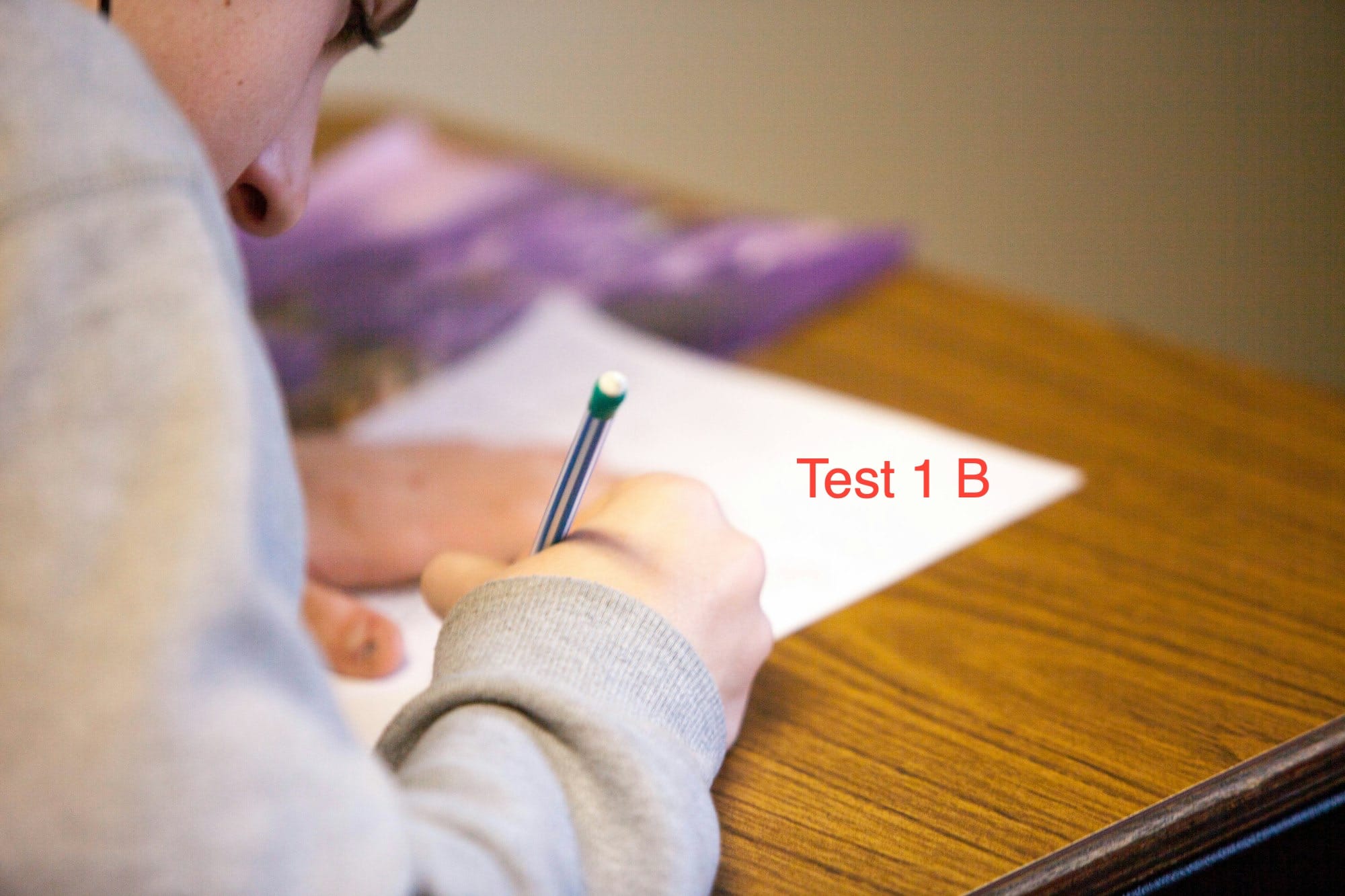

Vocabulary Test:
Scenario 1 . : You are researching different art movements for a class presentation. You come across a movement that was initially popular but eventually faded from public interest. Which word best describes what happened to this movement?
Choices:
A . Embrace B . Cultivate C. Abandon D. Persist
🔮 ตัวอย่างเพิ่มเติม (ย่อ - ขยาย ) ---- > Click
คำศัพท์ภาษาอังกฤษพร้อมตัวอย่างประโยคและความหมาย
A. Embrace
ความหมาย: โอบรับ น้อมรับ หรือ ยินดีรับ
ตัวอย่างประโยค:
- The company embraced new technology to improve its efficiency. (บริษัท โอบรับ เทคโนโลยีใหม่เพื่อเพิ่มประสิทธิภาพ)
- She embraced the challenge with enthusiasm. (เธอ ยินดีรับ ความท้าทายด้วยความกระตือรือร้น)
B. Cultivate
ความหมาย: พัฒนา ส่งเสริม หรือ เพาะปลูก
ตัวอย่างประโยค:
- The farmer cultivated a variety of crops on his land. (เกษตรกร เพาะปลูก พืชผลหลากหลายชนิดบนพื้นที่ของเขา)
- She cultivated a close relationship with her family. (เธอ พัฒนา ความสัมพันธ์อันใกล้ชิดกับครอบครัว)
C. Abandon
ความหมาย: ทิ้งละทิ้ง หรือ เลิก
ตัวอย่างประโยค:
- The soldiers abandoned their posts and fled the battlefield. (ทหาร ทิ้ง ด่านตรวจและหนีออกจากสนามรบ)
- The company abandoned its plans to expand into new markets. (บริษัท เลิก แผนการขยายธุรกิจไปยังตลาดใหม่)
D. Persist
ความหมาย: ดื้อดึง มุ่งมั่น หรือ อดทน
ตัวอย่างประโยค:
- Despite the difficulties, she persisted in her efforts to achieve her goals. (แม้จะมีอุปสรรค แต่เธอก็ อดทน พยายามบรรลุเป้าหมาย)
- The virus persisted in the population despite the vaccination campaign. (ไวรัส ยังคงอยู่ ( ดื้อดึง ) อยู่ในประชากรแม้จะมีการรณรงค์ฉีดวัคซีน)
🔮 รายละเอียดเพิ่มเติม (ย่อ - ขยาย ) ---- > Click
C. is correct anwser.
คุณกำลังค้นคว้าเกี่ยวกับขบวนการทางศิลปะต่างๆ เพื่อการนำเสนอในชั้นเรียน คุณพบกับการเคลื่อนไหวที่ได้รับความนิยมในตอนแรก แต่ในที่สุดก็จางหายไปจากความสนใจของสาธารณชน คำใดอธิบายสิ่งที่เกิดขึ้นกับขบวนการนี้ได้ดีที่สุด
- Embrace (Embrace means to accept something warmly, the opposite of what happened to the art movement. Synonyms for embrace include welcome, accept, endorse.) Embrace verb สวมกอด, โอบอุ้ม noun การกอด, การโอบกอด
- Cultivate (Cultivate means to develop or nurture something, not necessarily stopping it. Synonyms for cultivate include develop, foster, nurture.) Cultivate verb ปลูกฝัง, ฝึกฝน, ศึกษา
- Abandon (Abandon means to completely stop doing something or give up on it. This aligns with the idea that the art movement is no longer popular. CORRECT ANSWER)
Abandon verb ละทิ้ง, ยกเลิก, ปล่อย - Persist (Persist means to continue to exist or happen, the opposite of what happened to the art movement. Synonyms for persist include continue, endure, remain.) Persist verbสู้, ยืนกราน, ติดตา
Why "Abandon" is the Correct Answer:
- Meaning: In the context of the art movement, "abandon" signifies that the public lost interest and the movement is no longer actively followed or practiced.
- Collocation: "Abandon" often collocates with "art movement" to describe the decline of a particular artistic style.
Remembering "Abandon":
- Synonyms: Desert, forsake, renounce, relinquish, discard, scrap, discontinue, cease
- Antonyms: Maintain, keep, retain, hold onto, preserve, continue
- Examples:
- After a brief period of popularity, the fad of wearing neon clothing was abandoned. หลังจากได้รับความนิยมในช่วงสั้นๆ แฟชั่นของการสวมเสื้อผ้านีออนก็ถูกละทิ้งไป
- The scientist abandoned his research on a dead-end project. นักวิทยาศาสตร์คนนี้ละทิ้งงานวิจัยของเขาเกี่ยวกับโครงการที่มาถึงทางตันแล้ว
- Many people abandoned their homes during the natural disaster.หลายคนละทิ้งบ้านในช่วงภัยพิบัติทางธรรมชาติ
- The company abandoned plans to release a new product due to negative feedback. บริษัท ละทิ้งแผนการที่จะปล่อยผลิตภัณฑ์ใหม่เนื่องจากข้อเสนอแนะเชิงลบ
- The athlete abandoned the race due to a sudden injury. นักกีฬาออกจากการแข่งขันเนื่องจากได้รับบาดเจ็บกะทันหัน
- Word Family: abandonment (noun), abandoner (noun) abandoned ( adjective )
- Confused Words:
- Abstain: Don't confuse "abandon" with "abstain," which means to hold oneself back from doing something. Abstaining implies a temporary pause, whereas abandon suggests a complete stop.
Abstain verb เว้น, ละเว้น, อด - Desert: While "desert" can be a synonym for "abandon," it often carries a stronger connotation of betrayal or neglect.
Desert noun ทะเลทราย, คุณค่า verb ละทิ้ง, เปลี่ยว, ละวาง adjective เปลี่ยว, อ้างว้าง, เปล่าเปลี่ยว - Discontinue: "Discontinue" is very similar to "abandon" but might be used for planned or official endings, while abandon can be used for unplanned or sudden stoppages.
Discontinue verb หยุด, เลิกล้ม, ขาดตอน - Relinquish: "Relinquish" is a close synonym, but it suggests a more formal or reluctant giving up of something.
Relinquish verb สละ, ยกเลิก, ปลดปล่อย
- Abstain: Don't confuse "abandon" with "abstain," which means to hold oneself back from doing something. Abstaining implies a temporary pause, whereas abandon suggests a complete stop.
- Extra Vocabulary Derived from the Root "Abandon-":
- Abandonment (noun) การละทิ้ง
การจากไป, การปล่อย, การยกเลิก : the act of giving up something (e.g., child abandonment) - Abandoner (noun) ผู้ละทิ้ง : someone who gives up on something (e.g., the ship's abandoner)
- Abandonment (noun) การละทิ้ง
🔮 รายละเอียดเพิ่มเติม (ย่อ - ขยาย ) ---- > Click
อธิบาย Idiom "with gay abandon"
ความหมาย: หมายถึง ทำอะไรด้วยความสนุกสนาน ไร้กังวล ไร้ความยับยั้งชั่งใจ การทำอะไรอย่างเต็มที่ โดยไม่ต้องกังวลหรือกลัวอะไร มักใช้กับกิจกรรมที่เต็มไปด้วยพลังงานและความร่าเริง หรือ บางครั้งอาจเป็น กิจกรรมที่ เสี่ยงต่ออันตราย
ตัวอย่างประโยค:
- She danced with gay abandon at the party, her laughter echoing through the room. (เธอ เต้นอย่างสนุกสนาน ในงานปาร์ตี้ เสียงหัวเราะของเธอ ดังก้องไปทั่วห้อง)
- The children played with gay abandon in the park, their carefree joy infectious. (เด็กๆ เล่นอย่างสนุกสนาน ในสวนสาธารณะ ความสุขไร้กังวลของพวกเขา ช่างน่าติดต่อ)
- The artist painted with gay abandon, her brushstrokes bold and expressive. (ศิลปิน วาดภาพอย่างสนุกสนาน ปลายพู่กันของเธอ หนาและแสดงออกถึงอารมณ์)
- They sang with gay abandon around the campfire, their voices blending in perfect harmony. (พวกเขา ร้องเพลงอย่างสนุกสนาน รอบกองไฟ เสียงร้องของพวกเขา ผสมผสานกันอย่างกลมกลืน)
- The dog ran with gay abandon through the field, its tail wagging with unrestrained delight. (สุนัข วิ่งอย่างสนุกสนาน ผ่านทุ่งหญ้า หางของมันโบกไปมาด้วยความสุขที่ไร้ขีดจำกัด)
จุดสังเกต:
- "Gay" ใน idiom นี้ ไม่ได้แปลว่า "เกย์" แต่แปลว่า "ร่าเริง สนุกสนาน"
- "Abandon" หมายถึง "การละทิ้ง" แต่ใน idiom นี้ หมายถึง "การไร้กังวล ไร้ความยับยั้งชั่งใจ"
ยังมีรูปแบบอื่นๆ ที่คล้ายกัน เช่น:
- With wild abandon
- With reckless abandon
- With carefree abandon
- with gusto (ด้วยความกระตือรือร้น)
- with zest (ด้วยความมีชีวิตชีวา)
- with abandon (อย่างเต็มที่)
- wholeheartedly (ด้วยใจเต็มที่)
- unrestrainedly (อย่างไม่ยับยั้ง)
ความหมายของ idiom เหล่านี้ ล้วนสื่อถึงความสนุกสนาน ไร้กังวล ไร้ความยับยั้งชั่งใจ เช่นเดียวกับ "with gay abandon"
Scenario: You are discussing scientific research with a classmate. You want to emphasize that a particular theory has been completely disproven. Which word best conveys this meaning?
Choices:
- A.Contingent B.Relative C.Absolute D.Tentative
🔮 รายละเอียดเพิ่มเติม (ย่อ - ขยาย ) ---- > Click
ตัวอย่างการใช้
คำศัพท์ภาษาอังกฤษพร้อมตัวอย่างประโยคและความหมาย
A. Contingent
ความหมาย: ขึ้นอยู่กับ เงื่อนไข หรือ ปัจจัยอื่น
ตัวอย่างประโยค:
- My trip to Thailand is contingent on getting a visa. (การเดินทางไปประเทศไทยของฉัน ขึ้นอยู่กับ การได้รับวีซ่า)
- The success of the project is contingent on the availability of funding. (ความสำเร็จของโครงการ ขึ้นอยู่กับ ความพร้อมของเงินทุน)
B. Relative
ความหมาย: เปรียบเทียบกับ สิ่งอื่น หรือ เกี่ยวข้องกับ สิ่งอื่น
ตัวอย่างประโยค:
- The relative size of the two countries is quite different. (ขนาด ของทั้งสองประเทศ เปรียบเทียบ กันค่อนข้างแตกต่าง)
- The relative humidity in the jungle is very high. (ความชื้น สัมพัทธ์ ในป่าดงดิบสูงมาก)
C. Absolute adj , n
ความหมาย: สมบูรณ์แบบ สิ้นเชิง หรือ ไม่ขึ้นอยู่กับเงื่อนไขใดๆ
ตัวอย่างประโยค:
- The absolute truth is often difficult to find. (ความจริง แท้จริง มักจะค้นหายาก)
- The absolute deadline for submitting the paperwork is Friday. (กำหนด เส้นตาย ของการส่งเอกสารคือวันศุกร์)
D. Tentative
ความหมาย: ชั่วคราว ไม่แน่นอน หรือ อาจเปลี่ยนแปลงได้
ตัวอย่างประโยค:
- We have a tentative plan to meet for dinner next week. (เรามีแผน ชั่วคราว ที่จะทานอาหารเย็นด้วยกันในสัปดาห์หน้า)
- The tentative date for the conference is October 15th. (วันที่ กำหนด ชั่วคราว ของการประชุมคือ 15 ตุลาคม)
🔮 รายละเอียดเพิ่มเติม (ย่อ - ขยาย ) ---- > Click
C. is correct anwser.
คุณกำลังคุยเรื่องการวิจัยทางวิทยาศาสตร์กับเพื่อนร่วมชั้น คุณต้องการเน้นย้ำว่าทฤษฎีใดทฤษฎีหนึ่งไม่ได้รับการพิสูจน์โดยสิ้นเชิง คำใดสื่อความหมายนี้ได้ดีที่สุด?
- Contingent (Contingent means dependent on something else, not necessarily disproven. Synonyms for contingent include conditional, dependent, subject to.) Contingent ที่อาจเกิดขึ้น หรือไม่เกิดขึ้นต้องพึ่งพาสิ่งใดสิ่งหนึ่ง noun พวก, เหล่า, กองทหาร adjectiveสุดแต่, สุดแล้วแต่, ซึ่งไม่แน่นอน
- Relative (Relative means connected to something else, not necessarily disproven. Synonyms for relative include comparative, proportional, connected.)
Relative noun ญาติ, ญาติพี่น้อง, เครื่องญาติ adjectiveสัมพันธ์, เกี่ยวข้องกัน, ได้ส่วน - Absolute (Absolute means complete or total, and in this context, signifies the theory is entirely disproven. CORRECT ANSWER)
Absolute adjective แน่นอน, สัมบูรณ์, สมบูรณ์ - Tentative (Tentative means uncertain or not yet proven, not the opposite of disproven. Synonyms for tentative include provisional, uncertain, unsure.) Tentative adjective ชั่วคราว, ลังเล, เป็นการทดลอง
Why "Absolute" is the Correct Answer:
- Meaning: In the context of scientific research, "absolute" emphasizes the complete rejection of the theory, leaving no room for doubt.
- Collocation: "Absolute" often collocates with "disproof" or "refutation" to highlight the complete rejection of a hypothesis or theory.
Remembering "Absolute":
- Synonyms: Complete, total, entire, unrestricted, unconditional, unequivocal สมบูรณ์, ทั้งหมด, ทั้งหมด, ไม่จำกัด, ไม่มีเงื่อนไข, ไม่ชัดเจน
- Antonyms: Relative, partial, limited, conditional, restricted, equivocal สัมพัทธ์, บางส่วน, จำกัด, มีเงื่อนไข, จำกัด, ไม่ชัดเจน
- Examples:
- The scientist presented absolute proof that the previous theory was wrong. นักวิทยาศาสตร์เสนอข้อพิสูจน์ที่แน่ชัดว่าทฤษฎีก่อนหน้านี้ผิด
- The king had absolute power over his subjects. กษัตริย์มีอำนาจเด็ดขาดเหนือราษฎรของเขา
- The silence in the room was absolute. ความเงียบในห้องนั้นสมบูรณ์แบบ
- There is no absolute certainty in life. ไม่มีความแน่นอนในชีวิตอย่างแน่นอน
- This recipe requires absolute precision when following the measurements. สูตรนี้ต้องใช้ความแม่นยำสูงสุดเมื่อติดตามการวัด
- Word Family: absolutism (noun), absolutely (adverb)
- Confused Words:
- Definite: Don't confuse "absolute" with "definite," which means certain or clear, but not necessarily complete.
- Perfect: While "perfect" can imply completeness, it often suggests flawlessness, whereas absolute focuses on the totality of something.
- Universal: "Universal" suggests applying to all things, while absolute emphasizes the complete nature of something in itself.
- Extreme: "Extreme" implies going to a great extent, not necessarily complete rejection.
- Extra Vocabulary Derived from the Root "Absolut-":
- Absolution (noun): forgiveness for sins (religious context)
- Absolutist (noun): someone who believes in absolute power or authority
By understanding these details and practicing with synonyms, antonyms, and commonly confused words, you can effectively remember the meaning and usage of "absolute."
🔮 รายละเอียดเพิ่มเติม (ย่อ - ขยาย ) ---- > Click
อธิบาย Idiom "absolute majority"
ความหมาย: คำว่า "absolute majority" หมายถึง "คะแนนเสียงส่วนใหญ่" หรือ "คะแนนเสียงเกินครึ่ง" โดยทั่วไปหมายถึง คะแนนเสียงที่มากกว่า 50% ของจำนวนคะแนนเสียงทั้งหมด
Collocation:
- Achieve an absolute majority: ได้รับคะแนนเสียงส่วนใหญ่
- Win an absolute majority: ชนะการเลือกตั้งด้วยคะแนนเสียงส่วนใหญ่
- Have an absolute majority: มีคะแนนเสียงส่วนใหญ่
- Secure an absolute majority: มั่นใจว่าจะได้คะแนนเสียงส่วนใหญ่
- Gain an absolute majority: ได้รับคะแนนเสียงส่วนใหญ่
ตัวอย่างประโยค:
- The party achieved an absolute majority in the election. (พรรคการเมือง ได้รับคะแนนเสียงส่วนใหญ่ ในการเลือกตั้ง)
- The candidate won an absolute majority of the votes. (ผู้สมัคร ชนะการเลือกตั้งด้วยคะแนนเสียงส่วนใหญ่)
- The government has an absolute majority in Parliament. (รัฐบาล มีคะแนนเสียงส่วนใหญ่ ในรัฐสภา)
- The company secured an absolute majority of the shares. (บริษัท มั่นใจว่าจะได้คะแนนเสียงส่วนใหญ่ ของหุ้น)
- The team gained an absolute majority of the points. (ทีม ได้รับคะแนนเสียงส่วนใหญ่ ของคะแนน)
- ภาษาไทย: ทีม ได้รับคะแนนเสียงส่วนใหญ่ ของคะแนน
หมายเหตุ: คำว่า "absolute majority" มักใช้ในบริบททางการเมือง แต่สามารถใช้ในบริบทอื่นๆ เช่น การเลือกตั้ง การประชุม หรือการแข่งขัน
Scenario: You are browsing the library for resources for your upcoming research paper. Which section would likely contain scholarly articles and journals relevant to your topic?
Choices:
- A. Popular B. Fictional C. Academic D. Biographical
🔮 ตัวอย่างการใช้งานเพิ่มเติม (ย่อ - ขยาย ) ---- > Click
คำศัพท์ภาษาอังกฤษพร้อมตัวอย่างประโยค ความหมาย Synonyms และ antonyms
A. Popular
ความหมาย: ได้รับความนิยม ชื่นชอบ หรือ เป็นที่นิยม
Synonyms: well-liked, common, widespread
Antonyms: unpopular, rare, uncommon
ตัวอย่างประโยค:
- The popular movie broke box office records. (ภาพยนตร์ ยอดนิยม ทำลายสถิติรายได้)
- She is a popular teacher among her students. (เธอเป็นครู ที่ได้รับความนิยม จากนักเรียน)
B. Fictional
ความหมาย: แต่งขึ้น สมมติ หรือ ไม่ได้เกิดขึ้นจริง
Synonyms: imaginary, invented, made-up
Antonyms: real, factual, historical
ตัวอย่างประโยค:
- The fictional character of Harry Potter became a global icon. (ตัวละคร สมมติ แฮร์รี่ พอตเตอร์ กลายเป็นไอคอนระดับโลก)
- I enjoy reading fictional stories. (ฉันชอบอ่านนิยาย สมมติ)
C. Academic
ความหมาย: เกี่ยวข้องกับการศึกษา การวิจัย หรือ การเรียนการสอน
Synonyms: scholarly, intellectual, educational
Antonyms: practical, non-academic, vocational
ตัวอย่างประโยค:
- She is an academic expert in the field of linguistics. (เธอเป็นผู้เชี่ยวชาญ ด้านวิชาการ ด้านภาษาศาสตร์)
- The academic paper was published in a prestigious journal. (งานวิจัย ทางวิชาการ นี้ได้รับการตีพิมพ์ในวารสารที่มีชื่อเสียง)
D. Biographical
ความหมาย: เกี่ยวกับชีวประวัติ หรือ บันทึกเรื่องราวชีวิต
Synonyms: autobiographical, life story, memoir
Antonyms: fictional, non-biographical, invented
ตัวอย่างประโยค:
- I am reading a biographical novel about the life of Nelson Mandela. (ฉันกำลังอ่านนวนิยาย ชีวประวัติ เกี่ยวกับชีวิตของเนลสัน แมนเดลา)
- The biographical film was praised for its accuracy and sensitivity. (ภาพยนตร์ ชีวประวัติ เรื่องนี้ได้รับการยกย่องว่ามีความถูกต้องและละเอียดอ่อน)
🔮 รายละเอียดเพิ่มเติม (ย่อ - ขยาย ) ---- > Click
C. is correct anwser.
- Popular (Popular refers to things that are widely liked or enjoyed, not necessarily scholarly. Synonyms for popular include well-liked, widespread, mainstream.)
Popular adjective ฮิต, แพร่หลาย, กว้างขวาง - Fictional (Fictional refers to things that are invented or imaginary, not based on fact or research. Synonyms for fictional include made-up, invented, fabricated.) Fictional adjective ไม่มีฅัวจริง , สมมติ
- Academic (Academic refers to education and scholarship. This aligns with the content you're looking for in research papers and journals. CORRECT ANSWER). Academic adjective วิชาการ, เกี่ยวกับโรงเรียน, เชิงวิชาการ noun นักวิชาการ
- Biographical (Biographical refers to information about a person's life, which might not always be directly relevant to academic research. Synonyms for biographical include historical, personal, life story-based.) Biographical adjective เกี่ยวกับชีวประวัติ
Why "Academic" is the Correct Answer:
- Meaning: In the context of the library, "academic" signifies resources related to higher education and scholarly research, which is what you need for your research paper.
- Collocation: "Academic" often collocates with "journals," "articles," "research," and "studies" to describe scholarly publications.
Remembering "Academic":
- Synonyms: Scholarly, intellectual, learned, theoretical, research-oriented เชิงวิชาการ สติปัญญา การเรียนรู้ เชิงทฤษฎี เชิงการวิจัย
- Antonyms: Popular, informal, practical, everyday, vocational เป็นที่นิยม ไม่เป็นทางการ ใช้ได้จริง ในชีวิตประจำวัน อาชีวศึกษา - เกี่ยวกับอาชีพ
- Examples:
- The university library has a vast collection of academic journals and books. ห้องสมุดของมหาวิทยาลัยมีวารสารและหนังสือทางวิชาการมากมาย
- He pursued an academic career as a professor of history. เขาประกอบอาชีพนักวิชาการในฐานะศาสตราจารย์ด้านประวัติศาสตร์
- The conference focused on the latest academic research in the field of medicine.การประชุมมุ่งเน้นไปที่การวิจัยทางวิชาการล่าสุดในสาขาการแพทย์
- The paper lacked academic rigor and relied on anecdotal evidence.บทความนี้ขาดความเข้มงวดทางวิชาการและอาศัยหลักฐานที่เป็นเรื่องเล่า เล็ก ๆ น้อย ๆ
- Writing a successful research paper requires strong academic writing skills. การเขียนรายงานการวิจัยที่ประสบความสำเร็จต้องใช้ทักษะการเขียนเชิงวิชาการที่แข็งแกร่ง
- Word Family: academy (noun), academician (noun)
นักวิชาการ - Confused Words:
- Scholarly: While very similar to "academic," "scholarly" can also describe a person deeply engaged in a particular field of study.
Scholarly adjective คงแก่เรียน, เป็นนักศึกษา, เป็นนักวิชาการ - Intellectual: "Intellectual" refers to someone with a high level of intelligence, but it doesn't necessarily imply an academic setting.
Intellectual noun คนมีความรู้ adjective มีความรู้, มีเชาวน์ - Theoretical: "Theoretical" emphasizes concepts and ideas, whereas "academic" can encompass both theory and practical applications in a research setting. Theoretical adjective ตามทฤษฎี, ตามเหตุผล, ตามหลักวิชา
- Scientific: "Scientific" is a narrower term referring specifically to research and knowledge based on the scientific method, while "academic" can encompass a broader range of disciplines. adjective Scientific วิทยาศาสตร์, เกี่ยวกับวิทยาศาสตร์, มีหลักเกณฑ์
- Scholarly: While very similar to "academic," "scholarly" can also describe a person deeply engaged in a particular field of study.
- Extra Vocabulary Derived from the Root "Acad-":
- Academia (noun): the world of scholars and educational institutions
🔮 รายละเอียดเพิ่มเติม (ย่อ - ขยาย ) ---- > Click
อธิบาย Idiom "academic freedom"
ความหมาย: คำว่า "academic freedom" หมายถึง "เสรีภาพทางวิชาการ" หมายถึง สิทธิเสรีภาพของนักวิชาการในการสอน วิจัย และเผยแพร่ความรู้ โดยปราศจากการแทรกแซงจากภายนอก เสรีภาพทางวิชาการมีความสำคัญต่อการพัฒนาความรู้ใหม่ การส่งเสริมการคิดวิเคราะห์อย่างมีวิจารณญาณ และการสร้างสังคมที่เปิดกว้าง
Collocation:
- Protect academic freedom: ปกป้องเสรีภาพทางวิชาการ
- Uphold academic freedom: ยึดมั่นในเสรีภาพทางวิชาการ
- Promote academic freedom: ส่งเสริมเสรีภาพทางวิชาการ
- Defend academic freedom: ปกป้องเสรีภาพทางวิชาการ
- Ensure academic freedom: มั่นใจว่ามีเสรีภาพทางวิชาการ
ตัวอย่างประโยค:
- The university protects academic freedom by granting tenure to its professors. (มหาวิทยาลัย ปกป้องเสรีภาพทางวิชาการ โดยการให้ความมั่นคงในตำแหน่งแก่ศาสตราจารย์)
- The government upheld academic freedom by allowing scholars to criticize its policies. (รัฐบาล ยึดมั่นในเสรีภาพทางวิชาการ โดยอนุญาตให้นักวิชาการวิพากษ์วิจารณ์นโยบายของรัฐบาล)
- The foundation promotes academic freedom by funding research projects that challenge conventional wisdom. (มูลนิธิ ส่งเสริมเสรีภาพทางวิชาการ โดยการสนับสนุนทุนวิจัยที่ท้าทายความคิดแบบเดิม)
- The students defended academic freedom by protesting against censorship. (นักศึกษา ปกป้องเสรีภาพทางวิชาการ โดยการประท้วงต่อต้านการเซ็นเซอร์)
- The university administration ensured academic freedom by establishing clear guidelines for research ethics. (ฝ่ายบริหารมหาวิทยาลัย มั่นใจว่ามีเสรีภาพทางวิชาการ โดยการกำหนดแนวทางจริยธรรมการวิจัยที่ชัดเจน)
หมายเหตุ: เสรีภาพทางวิชาการมีความสำคัญต่อสังคมที่เปิดกว้างและเป็นประชาธิปไตย แต่เสรีภาพนี้ก็มีขอบเขต นักวิชาการมีหน้าที่รับผิดชอบต่อสังคม และควรใช้เสรีภาพทางวิชาการอย่างมีจริยธรรมและความรับผิดชอบ Academic freedom is crucial for an open and democratic society, yet it comes with certain boundaries. Scholars bear a responsibility to society and should exercise academic freedom ethically and responsibly.
Scenario: You are reviewing a draft of your friend's essay for class. Some of the arguments seem weak or poorly supported. Which word best describes these arguments in the context of their assignment?
Choices:
- Compelling
- Concise
- Acceptable
- Eloquent
🔮 ตัวอย่างประโยคเพิ่มเติม (ย่อ - ขยาย ) ---- > Click
คำศัพท์ภาษาอังกฤษพร้อมตัวอย่างประโยค ความหมาย Synonyms และ antonyms
A. Compelling
ความหมาย: ดึงดูดใจ น่าสนใจ หรือ น่าติดตาม
Synonyms: captivating, engaging, fascinating
Antonyms: boring, dull, uninteresting
ตัวอย่างประโยค:
- The compelling story kept me hooked from beginning to end. (เรื่องราวที่ ดึงดูดใจ ทำให้ฉันติดหนึบตั้งแต่ต้นจนจบ)
- She is a compelling speaker who always manages to captivate her audience. (เธอเป็นผู้พูดที่ น่าสนใจ ซึ่งสามารถดึงดูดผู้ฟังของเธอได้เสมอ)
B. Concise
ความหมาย: กระชับ สั้นกะทัดรัด หรือ ตรงประเด็น
Synonyms: brief, succinct, to-the-point
Antonyms: verbose, lengthy, wordy
ตัวอย่างประโยค:
- The professor gave a concise explanation of the complex theory. (ศาสตราจารย์อธิบายทฤษฎีที่ซับซ้อนอย่าง กระชับ)
- The concise report summarized the key findings of the research. (รายงาน สั้นกะทัดรัด สรุปผลการวิจัยที่สำคัญ)
C. Acceptable
ความหมาย: ยอมรับได้ เหมาะสม หรือ พอใช้ได้
Synonyms: satisfactory, adequate, tolerable
Antonyms: unacceptable, undesirable, objectionable
ตัวอย่างประโยค:
- The acceptable level of noise in the office is 65 decibels. (ระดับเสียงที่ ยอมรับได้ ในออฟฟิศคือ 65 เดซิเบล)
- The acceptable solution to the problem was to provide a refund. (วิธีแก้ปัญหาที่ พอใช้ได้ คือการคืนเงิน)
D. Eloquent
ความหมาย: พูดจาคล่องแคล่ว สื่อสารเก่ง หรือ พูดได้ไพเราะ
Synonyms: articulate, fluent, persuasive
Antonyms: inarticulate, incoherent, rambling
ตัวอย่างประโยค:
- The eloquent speaker moved the audience with his passionate speech. (ผู้พูดที่ พูดจาคล่องแคล่ว กระตุ้นผู้ฟังด้วยคำพูดที่เต็มไปด้วยอารมณ์)
- She is an eloquent writer who has a gift for using language. (เธอเป็นนักเขียนที่ สื่อสารเก่ง ซึ่งมีความสามารถพิเศษในการใช้ภาษา)
🔮 รายละเอียดเพิ่มเติม (ย่อ - ขยาย ) ---- > Click
3. is correct anwser.
- Compelling (Compelling means convincing or persuasive, the opposite of what you want to express. Synonyms for compelling include persuasive, convincing, irresistible.)
- Concise (Concise means brief and to the point, not necessarily related to the strength of the arguments. Synonyms for concise include brief, succinct, to the point.)
- Acceptable (Acceptable means meeting a minimum standard of quality or suitability. This suggests the arguments are not strong but might be good enough if improved. CORRECT ANSWER)
- Eloquent (Eloquent means fluent and persuasive in speaking or writing, similar to "compelling" and not what you want to convey. Synonyms for eloquent include articulate, persuasive, well-spoken.)
Why "Acceptable" is the Correct Answer:
- Meaning: In the context of the essay, "acceptable" suggests the arguments are barely meeting the minimum requirements and could be strengthened for a better grade.
- Collocation: "Acceptable" often collocates with "arguments," "evidence," or "standards" to describe something that meets basic criteria but could be improved.
Remembering "Acceptable":
- Synonyms: Adequate, passable, mediocre, satisfactory, tolerable
- Antonyms: Unacceptable, poor, inferior, weak, unconvincing
- Examples:
1. The teacher found the student's behavior just acceptable but stressed the need for improvement. (ครูพบว่าพฤติกรรมของนักเรียนพอใช้ได้ แต่เน้นย้ำถึงความจำเป็นในการปรับปรุง)
2. The restaurant offered acceptable service, but the food was disappointing. (ร้านอาหารให้บริการที่พอใช้ได้ แต่ทว่าอาหารนั้นน่าผิดหวัง)
3. The quality of the product was acceptable, but the price was too high. (คุณภาพของผลิตภัณฑ์นั้นพอใช้ได้ แต่ราคาสูงเกินไป)
4. The research paper presented acceptable evidence, but the analysis lacked depth. (งานวิจัยนำเสนอหลักฐานที่พอใช้ได้ แต่การวิเคราะห์ขาดความลึกซึ้ง)
5. The dress code for the event is business casual; acceptable attire includes slacks and a blouse. (ระเบียบการแต่งกายสำหรับงานนี้คือชุดธุรกิจแบบลำลอง เครื่องแต่งกายที่เหมาะสม ได้แก่ กางเกงขายาวและเสื้อเชิ้ต)
หมายเหตุ:
- คำว่า "acceptable" นั้นมีความหมายว่า "พอใช้ได้" หรือ "เป็นที่ยอมรับได้" มักใช้เมื่อสิ่งๆ นั้นไม่ดีที่สุด แต่ก็ไม่แย่จนเกินไป
- คำว่า "improve" นั้นแปลว่า "ปรับปรุง" หรือ "พัฒนา" มักใช้เมื่อต้องการทำให้สิ่งๆ นั้นดีขึ้น
- คำว่า "disappoint" นั้นแปลว่า "ทำให้ผิดหวัง" มักใช้เมื่อสิ่งๆ นั้นไม่ได้เป็นไปตามที่คาดหวัง
- คำว่า "quality" นั้นแปลว่า "คุณภาพ" มักใช้เพื่ออธิบายว่าสิ่งๆ นั้นดีแค่ไหน
- คำว่า "price" นั้นแปลว่า "ราคา" มักใช้เพื่อบอกจำนวนเงินที่ต้องจ่ายสำหรับสินค้าหรือบริการ
- คำว่า "evidence" นั้นแปลว่า "หลักฐาน" มักใช้เพื่อสนับสนุนข้อเท็จจริงหรือข้ออ้าง
- คำว่า "analysis" นั้นแปลว่า "การวิเคราะห์" มักใช้เพื่ออธิบายกระบวนการแยกแยะสิ่งต่างๆ ออกเป็นส่วนๆ เล็กๆ เพื่อทำความเข้าใจ
- คำว่า "depth" นั้นแปลว่า "ความลึกซึ้ง" มักใช้เพื่ออธิบายว่าสิ่งๆ นั้นมีความละเอียดลึกซึ้งแค่ไหน
- คำว่า "dress code" นั้นแปลว่า "ระเบียบการแต่งกาย" มักใช้เพื่อกำหนดว่าผู้คนควรแต่งกายอย่างไรในงานหรือสถานที่ต่างๆ
- คำว่า "attire" นั้นแปลว่า "เครื่องแต่งกาย" มักใช้เพื่ออธิบายเสื้อผ้าที่ผู้คนสวมใส่
- คำว่า "slacks" นั้นแปลว่า "กางเกงขายาว" มักใช้เพื่ออธิบายกางเกงที่ยาวถึงข้อเท้าหรือต่ำกว่า
- คำว่า "blouse" นั้นแปลว่า "เสื้อเชิ้ต" มักใช้เพื่ออธิบายเสื้อผ้าผู้หญิงชนิดหนึ่งที่มีกระดุมด้านหน้าและปก
- Word Family: acceptability (noun), accept (verb)
- Confused Words:
- Adequate: "Adequate" is very similar to "acceptable," but it might emphasize just meeting the basic needs.
- Passable: "Passable" suggests something barely meets a standard, similar to acceptable but with a slightly lower connotation.
- Mediocre: "Mediocre" implies something is of average or below-average quality, a stronger negative than acceptable.
- Tolerable: "Tolerable" suggests something is barely acceptable or unpleasant but bearable.
- Extra Vocabulary Derived from the Root "Accept-":
- Acceptance (noun): the act of accepting something
- Unacceptable (adjective): not acceptable
🔮 รายละเอียดเพิ่มเติม (ย่อ - ขยาย ) ---- > Click
คำว่า "boundaries of acceptable", "bounds of acceptable" และ "limits of acceptable"
ความหมาย: คำว่า "boundaries of acceptable", "bounds of acceptable" และ "limits of acceptable" หมายถึง "ขอบเขตของสิ่งที่ยอมรับได้" โดยทั่วไปหมายถึง เกณฑ์ที่กำหนดว่าอะไรควรทำหรือไม่ควรทำ ขอบเขตนี้ขึ้นอยู่กับบริบททางสังคม วัฒนธรรม และกฎหมาย
ความแตกต่าง:
- Boundaries of acceptable: เป็นคำที่ใช้ทั่วไปมากที่สุด หมายถึง ขอบเขตโดยรวมของสิ่งที่ยอมรับได้
- Bounds of acceptable: เป็นคำที่เป็นทางการมากกว่า หมายถึง ขอบเขตที่ชัดเจนและเฉพาะเจาะจงของสิ่งที่ยอมรับได้
- Limits of acceptable: เป็นคำที่ใช้เน้นย้ำถึงขอบเขตของสิ่งที่ยอมรับได้ หมายถึง ขีดจำกัดสูงสุดของสิ่งที่ยอมรับได้
Collocation:
- Push the boundaries of acceptable: ท้าทายขอบเขตของสิ่งที่ยอมรับได้
- Exceed the bounds of acceptable: เกินขอบเขตของสิ่งที่ยอมรับได้
- Transgress the limits of acceptable: ละเมิดขอบเขตของสิ่งที่ยอมรับได้
- Stay within the boundaries of acceptable: อยู่ภายในขอบเขตของสิ่งที่ยอมรับได้
- Adhere to the bounds of acceptable: ปฏิบัติตามขอบเขตของสิ่งที่ยอมรับได้
- Respect the limits of acceptable: เคารพต่อขอบเขตของสิ่งที่ยอมรับได้
ตัวอย่างประโยค:
- The artist's work pushed the boundaries of acceptable art. (ผลงานของศิลปิน ท้าทายขอบเขตของสิ่งที่ยอมรับได้ ในศิลปะ)
- The politician's comments exceeded the bounds of acceptable discourse. (คำพูดของนักการเมือง เกินขอบเขตของสิ่งที่ยอมรับได้ ในการพูดคุย)
- The child's behavior transgressed the limits of acceptable conduct. (พฤติกรรมของเด็ก ละเมิดขอบเขตของสิ่งที่ยอมรับได้ ในการปฏิบัติตน)
- It is important to stay within the boundaries of acceptable behavior when interacting with others. (สิ่งสำคัญคือต้อง อยู่ภายในขอบเขตของสิ่งที่ยอมรับได้ ในการปฏิสัมพันธ์กับผู้อื่น)
- Researchers must adhere to the bounds of acceptable research ethics. (นักวิจัยต้อง ปฏิบัติตามขอบเขตของสิ่งที่ยอมรับได้ ในจริยธรรมการวิจัย)
- We must all respect the limits of acceptable speech and behavior. (เราทุกคนต้อง เคารพต่อขอบเขตของสิ่งที่ยอมรับได้ ในการพูดและการปฏิบัติตน)
Scenario: You are planning a trip abroad with a friend. You want to know if they will be traveling with you for the entire duration of the trip.
Choices:
- Depart
- Escort
- Accompany
- Precede
🔮 รายละเอียดเพิ่มเติม (ย่อ - ขยาย ) ---- > Click
คำศัพท์ภาษาอังกฤษพร้อมตัวอย่างประโยค ความหมาย Synonyms และ antonyms
A. Depart
ความหมาย: ออกเดินทาง เคลื่อนที่ออกจากสถานที่ หรือ ออกจากไป
Synonyms: leave, exit, go away
Antonyms: arrive, enter, stay
ตัวอย่างประโยค:
- The train will depart from the station at 10:00 AM. (รถไฟจะ ออกเดินทาง จากสถานีเวลา 10:00 น.)
- She departed the company after five years of service. (เธอ ออกจาก บริษัทหลังจากทำงานมา 5 ปี)
B. Escort
ความหมาย: นำทาง พาไป หรือ ปกป้อง
Synonyms: accompany, guide, conduct
Antonyms: abandon, desert, leave alone
ตัวอย่างประโยค:
- The security guard escorted the visitor to the CEO's office. (เจ้าหน้าที่รักษาความปลอดภัย นำ ผู้มาเยือนไปยังห้องทำงานของ CEO)
- The police escorted the prisoners to the courthouse. (ตำรวจ พา นักโทษไปยังศาล)
C. Accompany
ความหมาย: ไปด้วย ร่วมเดินทาง หรือ ร่วมทำกิจกรรม
Synonyms: join, go with, be with
Antonyms: leave alone, go solo, be without
ตัวอย่างประโยค:
- My friend will accompany me to the concert tonight. (เพื่อนของฉันจะ ไปด้วย ฉันไปดูคอนเสิร์ตคืนนี้)
- The teacher accompanied the students on the field trip. (ครู ร่วมเดินทาง กับนักเรียนในการทัศนศึกษา)
D. Precede
ความหมาย: เกิดขึ้นมาก่อน มาล่วงหน้า หรือ นำหน้า
Synonyms: go before, come before, lead
Antonyms: follow, come after, lag behind
ตัวอย่างประโยค:
- The opening ceremony will precede the main event. (พิธีเปิดงานจะ เกิดขึ้นมาก่อน กิจกรรมหลัก)
- The captain preceded his troops into battle. (กัปตัน นำ ทหารของเขาเข้าสู่สนามรบ)
🔮 รายละเอียดเพิ่มเติม (ย่อ - ขยาย ) ---- > Click
3. is correct anwser.
- Depart (Depart means to leave a place, the opposite of what you want to know. Synonyms for depart include leave, set off, embark.)
- Escort (Escort implies someone is formally accompanying and protecting another person, not necessarily for the entire trip. Synonyms for escort include guide, conduct, chaperone.)
- Accompany (Accompany means to be with someone or something as they go somewhere or do something. This best fits the situation of traveling together for the whole trip. CORRECT ANSWER)
- Precede (Precede means to come before something else, not necessarily traveling together. Synonyms for precede include forerun, come before, introduce.)
Why "Accompany" is the Correct Answer:
- Meaning: In the context of travel plans, "accompany" signifies being with someone throughout the entire journey.
- Collocation: "Accompany" often collocates with "travel," "trip," or "journey" to describe being with someone during their travels.
Remembering "Accompany":
- Synonyms: Join, go with, come with, attend, chaperone (for a formal setting)
- Antonyms: Depart, leave, separate, go alone
- Examples:
- Word Family: accompaniment (noun) ดนตรีประกอบสิ่งที่ใช้ประกอบสิ่งอื่น, accompanist คนที่เล่นดนตรีประกอบ(noun)
- Confused Words:
- Escort: While "escort" can imply accompanying someone, it often suggests a more formal or protective role.
- Join: "Join" can be similar to "accompany" but might imply meeting someone at the destination rather than traveling together the whole time.
- Attend: "Attend" focuses on being present at an event, not necessarily traveling with someone.
- Precede: "Precede" means to come before something else, entirely different from traveling together.
- เรียนรู้คำว่า "accompany" ผ่านตัวอย่างประโยคภาษาอังกฤษ
คำว่า "accompany" ในภาษาไทยแปลว่า "ไปด้วย" หรือ "ร่วมด้วย" หมายถึงการอยู่ร่วมเดินทาง หรือ ร่วมทำกิจกรรมกับบุคคลอื่น
มาดูตัวอย่างประโยคภาษาอังกฤษพร้อมคำแปลภาษาไทยกันค่ะ
- My wife will accompany me on my business trip to Asia.
ภรรยาของฉันจะไปด้วยกับฉันในทริปธุรกิจที่เอเชีย
- A tour guide will accompany the visitors throughout their stay in the city.
ไกด์ทัวร์จะไปด้วยกับนักท่องเที่ยวตลอดระยะเวลาที่เข้าพักในเมือง
- The musician was accompanied by a pianist during the performance.
นักดนตรีได้รับการบรรเลงเปียโนประกอบระหว่างการแสดง
- Feeling nervous, I asked a friend to accompany me to the doctor's appointment.
ด้วยความประหม่า ฉันจึงขอให้เพื่อนไปด้วยกันตอนไปหาหมอ
- The package includes flights and accommodation, but food and activities are not accompanied.
แพ็กเกจรวมตั๋วเครื่องบินและที่พัก แต่ไม่รวมอาหารและกิจกรรม
ในตัวอย่างประโยคเหล่านี้ คำว่า "accompany" มักถูกใช้ในรูปแบบต่อไปนี้
- accompany someone somewhere: ไปด้วยกับใครบางคนไปที่ไหนสักแห่ง
- be accompanied by someone: ได้รับการร่วมเดินทางหรือร่วมทำกิจกรรมโดยใครบางคน
- accompany something with something: บรรเลงหรือประกอบอะไรบางอย่างด้วยอะไรบางอย่าง