

🔮 ตัวอย่างคำเฉลย --- > Click
"Wildlife Conservation: Preserving Earth's Biodiversity"
1. Wildlife conservation is the preservation of animals and plants living in their natural habitats, free from human intervention.
2. Biodiversity, the richness and variety of life on Earth, is essential for the resilience and stability of ecosystems, and it provides us with invaluable ecosystem services.
3. Wildlife faces numerous threats, including habitat destruction, pollution, and poaching.
4. Conservation efforts include establishing protected areas, implementing laws and regulations, and raising public awareness.
5. Wildlife conservation and the preservation of biodiversity are moral and ethical imperatives, and they are essential for a sustainable and harmonious future.
Here is the translation of the key points into Thai:
1. การอนุรักษ์สัตว์ป่าคือการรักษาสัตว์และพืชที่อาศัยอยู่ในถิ่นที่อยู่ตามธรรมชาติ โดยปราศจากการแทรกแซงของมนุษย์
2. ความหลากหลายทางชีวภาพ ซึ่งหมายถึงความอุดมสมบูรณ์และหลากหลายของสิ่งมีชีวิตบนโลก เป็นสิ่งจำเป็นสำหรับความยืดหยุ่นและความมั่นคงของระบบนิเวศ และให้บริการระบบนิเวศที่มีค่าแก่เราอย่างยิ่ง
3. สัตว์ป่าเผชิญกับภัยคุกคามมากมาย รวมถึงการทำลายที่อยู่อาศัย มลพิษ และการล่าสัตว์ผิดกฎหมาย
4. ความพยายามในการอนุรักษ์รวมถึงการจัดตั้งพื้นที่คุ้มครอง การบังคับใช้กฎหมายและข้อบังคับ และการสร้างความตระหนักรู้ให้กับประชาชน
5. การอนุรักษ์สัตว์ป่าและการรักษาความหลากหลายทางชีวภาพเป็นสิ่งจำเป็นทางศีลธรรมและจริยธรรม และมีความสำคัญต่ออนาคตที่ยั่งยืนและสมบูรณ์แบบสำหรับทุกคน
🔮 Script ----> Click
Wildlife Conservation: Preserving Earth's Biodiversity
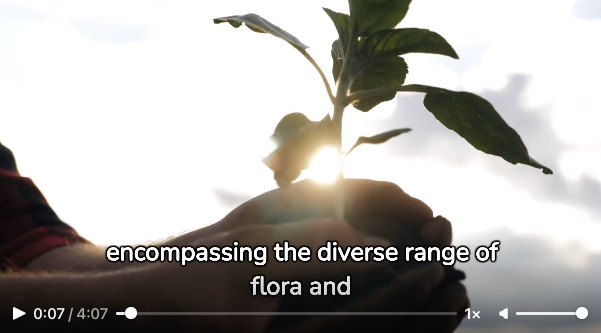
Wildlife, encompassing the diverse range of flora and fauna that inhabit our planet, is a topic of profound significance. The conservation of these living beings is a moral imperative, and it is paramount for the preservation of Earth's intricate ecological web.
The term "wildlife" refers to animals and plants living in their natural habitats, free from human intervention. It is crucial to understand that wildlife conservation is not a mere matter of luxury but rather an ethical responsibility. Earth's biodiversity, which includes myriad species, ecosystems, and landscapes, is profoundly interconnected. The extinction of even a single species can set off a domino effect, causing cascading impacts on the entire ecosystem.
The Importance of Biodiversity
Biodiversity, a term that conveys the richness and variety of life on Earth, is fundamental to our existence. It ensures the resilience and stability of ecosystems, making them capable of withstanding environmental changes. The loss of biodiversity weakens these ecosystems and leaves them vulnerable to disturbances.
Preserving biodiversity goes hand in hand with wildlife conservation. By protecting the many species inhabiting our planet, we are safeguarding the intricate tapestry of life. Biodiversity provides us with invaluable ecosystem services, such as clean air and water, fertile soils, and pollination for agriculture. It also offers potential sources of medicine and countless other resources.
The Threats to Wildlife
Unfortunately, wildlife faces numerous threats, many of which are the result of human activities. Habitat destruction, driven by deforestation and urbanization, is one of the primary culprits. As humans encroach on natural habitats, wildlife populations dwindle, and some species face the brink of extinction.
Pollution, whether it be air, water, or soil pollution, poses severe risks to wildlife. Toxic substances released into the environment harm both terrestrial and aquatic species. Chemical pollutants can accumulate in the food chain, affecting predators at the top, including humans.
Poaching and illegal wildlife trade are also major challenges. The demand for exotic pets, animal parts, and traditional medicines fuels these illicit activities. Many species, such as rhinoceroses and elephants, are hunted to the brink of extinction for their valuable body parts.
Conservation Efforts
Fortunately, there are global efforts to address these challenges. The establishment of protected areas, such as national parks and wildlife reserves, offers a sanctuary for many species. These areas provide a safe haven where wildlife can thrive and ecosystems can recover.
Conservation organizations and governments collaborate to implement laws and regulations to combat poaching and illegal wildlife trade. These measures are critical in protecting endangered species and curbing the illegal market for wildlife products.
Public awareness and education play an essential role in wildlife conservation. Educating communities and raising awareness about the importance of preserving wildlife can foster a sense of responsibility and inspire action. Many wildlife conservation programs involve local communities in their efforts, promoting sustainable coexistence with nature.
Conclusion
In conclusion, wildlife conservation and the preservation of biodiversity are not merely ecological concerns but moral and ethical imperatives. The interconnectedness of Earth's species and ecosystems means that the loss of any part of this intricate web can have far-reaching consequences. Through concerted efforts, we can protect and preserve the diverse life forms that share our planet, ensuring a sustainable and harmonious future for all.
🔮 Wildlife Conservation: Preserving Earth's Biodiversity
Wildlife, encompassing the diverse range of flora and fauna that inhabit our planet, is a topic of profound significance. The conservation of these living beings is a moral imperative, and it is paramount for the preservation of Earth's intricate ecological web.
การอนุรักษ์สัตว์ป่า: การรักษาความหลากหลายทางชีวภาพของโลก
- สิ่งที่มีชีวิตตามธรรมชาติ (Wildlife - ไม่ได้หมายความว่าสัตว์ป่าอย่างเดียว) ซึ่งครอบคลุมพืชและสัตว์นานาชนิดที่อาศัยอยู่บนโลกของเรา เป็นเรื่องที่มีความสำคัญอย่างยิ่ง
- การอนุรักษ์สิ่งมีชีวิตเหล่านี้เป็นสิ่งจำเป็นทางศีลธรรม และเป็นสิ่งสำคัญยิ่งสำหรับการรักษาไว้ซึ่งเครือข่ายระบบนิเวศที่ซับซ้อนของโลก
🔮 The term "wildlife" refers to animals and plants living in their natural habitats, free from human intervention. It is crucial to understand that wildlife conservation is not a mere matter of luxury but rather an ethical responsibility. Earth's biodiversity, which includes myriad species, ecosystems, and landscapes, is profoundly interconnected.
คำว่า (Wildlife) หมายถึง สัตว์และพืชที่อาศัยอยู่ในถิ่นที่อยู่อาศัยตามธรรมชาติ โดยปราศจากการรบกวนของมนุษย์ สิ่งสำคัญที่ต้องเข้าใจคือ การอนุรักษ์สัตว์ป่า ไม่ใช่แค่เรื่องของความฟุ่มเฟือย แต่เป็นความรับผิดชอบทางจริยธรรม ความหลากหลายทางชีวภาพของโลก ซึ่งครอบคลุมไปถึงสรรพสิ่ง สายพันธุ์ ระบบนิเวศ และภูมิทัศน์ต่างๆ ล้วนมีความสัมพันธ์กันอย่างลึกซึ้ง
🔮 The extinction of even a single species can set off a domino effect, causing cascading impacts on the entire ecosystem.
การสูญพันธุ์ของสปีชีส์เพียงชนิดเดียว สามารถจุดชนวนเป็นปฏิกิริยาโดมิโน (domino effect) ส่งผลกระทบเป็นทอดๆ ต่อทั้งระบบนิเวศได้
🔮 The Importance of Biodiversity
Biodiversity, a term that conveys the richness and variety of life on Earth, is fundamental to our existence. It ensures the resilience and stability of ecosystems, making them capable of withstanding environmental changes. The loss of biodiversity weakens these ecosystems and leaves them vulnerable to disturbances.
ความหลากหลายทางชีวภาพ (Biodiversity) ซึ่งเป็นคำที่สื่อถึงความอุดมสมบูรณ์และหลากหลายของสิ่งมีชีวิตบนโลก เป็นสิ่งพื้นฐานต่อการดำรงอยู่ของเรา มันช่วยรับประกันความยืดหยุ่นและความมั่นคงของระบบนิเวศ ทำให้ระบบเหล่านี้สามารถต้านทานการเปลี่ยนแปลงของสภาพแวดล้อมได้ การสูญเสียความหลากหลายทางชีวภาพ ทำให้ระบบนิเวศอ่อนแอลงและเปราะบางต่อการรบกวนต่างๆ
🔮 Preserving biodiversity goes hand in hand with wildlife conservation. By protecting the many species inhabiting our planet, we are safeguarding the intricate tapestry of life. Biodiversity provides us with invaluable ecosystem services, such as clean air and water, fertile soils, and pollination for agriculture. It also offers potential sources of medicine and countless other resources.
การอนุรักษ์ความหลากหลายทางชีวภาพ (Preserving biodiversity) ไปควบคู่กับการอนุรักษ์สัตว์ป่า (wildlife conservation) เปรียบเหมือนกับการปกป้องสรรพชีวิตหลายชนิดที่อาศัยอยู่บนโลกของเรา เราเปรียบเหมือนกับการรักษาผืนพรมอันซับซ้อนของชีวิต (intricate tapestry of life) ไว้
ความหลากหลายทางชีวภาพ (Biodiversity) มอบบริการด้านระบบนิเวศ (ecosystem services) ที่มีค่ามหาศาลให้กับเรา เช่น อากาศและน้ำที่สะอาด ดินที่อุดมสมบูรณ์ และการผสมเกสร (pollination) สำหรับการเกษตรกรรม นอกจากนี้ยังมีแหล่งที่มาที่อาจเป็นยาและทรัพยากรอื่นๆ อีกมากมาย
🔮 The Threats to Wildlife
Unfortunately, wildlife faces numerous threats, many of which are the result of human activities. Habitat destruction, driven by deforestation and urbanization, is one of the primary culprits. As humans encroach on natural habitats, wildlife populations dwindle, and some species face the brink of extinction.
🔮 Pollution, whether it be air, water, or soil pollution, poses severe risks to wildlife. Toxic substances released into the environment harm both terrestrial and aquatic species. Chemical pollutants can accumulate in the food chain, affecting predators at the top, including humans.
มลพิษ (Pollution) ไม่ว่าจะเป็นมลพิษทางอากาศ น้ำ หรือดิน ล้วนส่งผลร้ายแรงต่อสัตว์ป่า สารพิษที่ถูกปล่อยลงสู่สิ่งแวดล้อมส่งผลกระทบต่อทั้งสัตว์บนบกและสัตว์น้ำ สารเคมีที่เป็นมลพิษสามารถสะสมอยู่ในห่วงโซ่อาหาร (food chain) ส่งผลกระทบต่อสัตว์ล่า (predators) ที่อยู่ด้านบนสุดของห่วงโซ่อาหาร รวมถึงมนุษย์ด้วย
🔮 Poaching and illegal wildlife trade are also major challenges. The demand for exotic pets, animal parts, and traditional medicines fuels these illicit activities. Many species, such as rhinoceroses and elephants, are hunted to the brink of extinction for their valuable body parts.
การล่าสัตว์ผิดกฎหมายและการค้าสัตว์ป่าผิดกฎหมาย (Poaching and illegal wildlife trade) ก็เป็นอีกหนึ่งปัญหาสำคัญ ความต้องการสัตว์เลี้ยงแปลกใหม่ อวัยวะสัตว์ และยาแผนโบราณ เป็นแรงขับเคลื่อนของกิจกรรมผิดกฎหมายเหล่านี้ สัตว์ป่าหลายชนิด เช่น แรด และช้าง ถูก ล่า จนเกือบสูญพันธุ์เพื่อเอาอวัยวะที่มีค่าของมัน
🔮 Conservation Efforts
Fortunately, there are global efforts to address these challenges. The establishment of protected areas, such as national parks and wildlife reserves, offers a sanctuary for many species. These areas provide a safe haven where wildlife can thrive and ecosystems can recover.
ความพยายามในการอนุรักษ์ (Conservation Efforts)
โชคดีที่มีความพยายามระดับโลกในการรับมือกับความท้าทายเหล่านี้ การจัดตั้งพื้นที่คุ้มครอง (protected areas) เช่น อุทยานแห่งชาติและเขตรักษาพันธุ์สัตว์ป่า เป็นเสมือนสถานพักพิง (sanctuary) ให้กับสัตว์ป่าหลายชนิด พื้นที่เหล่านี้เป็นแหล่งหลบภัยที่ปลอดภัย (safe haven) ที่สัตว์ป่าสามารถดำรงชีวิตอยู่ได้อย่างรุ่งเรืองและระบบนิเวศสามารถฟื้นฟูได้
🔮 Conservation organizations and governments collaborate to implement laws and regulations to combat poaching and illegal wildlife trade. These measures are critical in protecting endangered species and curbing the illegal market for wildlife products.
องค์กรด้านการอนุรักษ์ (Conservation organizations) และรัฐบาล (governments) ร่วมมือกันในการบังคับใช้กฎหมายและข้อบังคับ (implement laws and regulations) เพื่อต่อสู้กับการล่าสัตว์ผิดกฎหมายและการค้าสัตว์ป่าผิดกฎหมาย (combat poaching and illegal wildlife trade) มาตรการเหล่านี้มีความสำคัญอย่างยิ่งในการปกป้องสัตว์ใกล้สูญพันธุ์ (endangered species) และลดทอนตลาดค้าผลิตภัณฑ์สัตว์ป่าที่ผิดกฎหมาย (curbing the illegal market for wildlife products)
🔮 Public awareness and education play an essential role in wildlife conservation. Educating communities and raising awareness about the importance of preserving wildlife can foster a sense of responsibility and inspire action. Many wildlife conservation programs involve local communities in their efforts, promoting sustainable coexistence with nature.
การสร้างจิตสำนึก (Public awareness) และการศึกษา (education) ของประชาชนมีบทบาทสำคัญในการอนุรักษ์สัตว์ป่า (wildlife conservation) การให้ความรู้แก่ชุมชน (communities) และการสร้างความตระหนัก (raising awareness) เกี่ยวกับความสำคัญของการอนุรักษ์สัตว์ป่าสามารถส่งเสริม (foster) ความรับผิดชอบ (sense of responsibility) และสร้างแรงบันดาลใจให้เกิดการลงมือทำ (inspire action) โครงการอนุรักษ์สัตว์ป่าหลายแห่งยังมีการบูรณาการชุมชนท้องถิ่น (local communities) เข้าไว้ในการดำเนินงาน ส่งเสริมการอยู่ร่วมกับธรรมชาติอย่างยั่งยืน (sustainable coexistence)
🔮 Conclusion
In conclusion, wildlife conservation and the preservation of biodiversity are not merely ecological concerns but moral and ethical imperatives. The interconnectedness of Earth's species and ecosystems means that the loss of any part of this intricate web can have far-reaching consequences. Through concerted efforts, we can protect and preserve the diverse life forms that share our planet, ensuring a sustainable and harmonious future for all.
สรุป (Conclusion)
กล่าวโดยสรุป การอนุรักษ์สัตว์ป่าและการรักษาความหลากหลายทางชีวภาพ ไม่เพียงแต่เป็นเรื่องที่เกี่ยวข้องกับระบบนิเวศ (ecological concerns)เท่านั้น แต่ยังเป็นหน้าที่ทางศีลธรรมและจริยธรรม (moral and ethical imperatives) ด้วย ความเชื่อมโยงของสิ่งมีชีวิตและระบบนิเวศบนโลกหมายความว่า การสูญเสียส่วนใดส่วนหนึ่งของใยแมงมุมอันซับซ้อนนี้ (intricate web) ย่อมส่งผลกระทบไปไกล
ผ่านความพยายามร่วมมือกัน (concerted efforts) เราสามารถปกป้องและรักษาสรรพชีวิตที่หลากหลาย (diverse life forms) ที่อาศัยอยู่บนโลกใบเดียวกับเรา ส่งเสริมอนาคตที่ยั่งยืนและกลมกลืน (sustainable and harmonious future) ให้กับทุกคน
🔮 คำศัพท์ที่เกี่ยวข้อง ----- > Click
- wildlife (สิ่งมีชีวิตในป่า)
- encompass (ครอบคลุม)
- diverse (หลากหลาย)
- range (ช่วง)
- flora and fauna (พืชและสัตว์)
- topic (หัวข้อ)
- profound (ลึกซึ้ง)
- significance (ความสำคัญ)
- conservation (การอนุรักษ์)
- living beings (สิ่งมีชีวิต)
- moral imperative (ภาระทางศีลธรรม)
- paramount (สำคัญที่สุด)
- preservation (การรักษา)
- intricate (ซับซ้อน)
- ecological web (เครือข่ายนิเวศ)
- term (คำศัพท์)
- refer to (อ้างอิงถึง)
- free from (ปราศจาก)
- human intervention (การแทรกแซงของมนุษย์)
- crucial (สำคัญมาก)
- luxury (สิ่งฟุ่มเฟือย)
- ethical responsibility (ความรับผิดชอบทางจริยธรรม)
- biodiversity (ความหลากหลายทางชีวภาพ)
- myriad (นับไม่ถ้วน)
- species (สายพันธุ์)
- ecosystems (ระบบนิเวศ)
- landscapes (ภูมิประเทศ)
- interconnected (เชื่อมโยงกัน)
- extinction (การสูญพันธุ์)
- domino effect (เอฟเฟกต์โดมิโน)
- cascading impacts (ผลกระทบเป็นทอดๆ)
- resilience (ความสามารถในการฟื้นตัว)
- stability (ความมั่นคง)
- withstanding (ทนทานต่อ)
- environmental changes (การเปลี่ยนแปลงทางสิ่งแวดล้อม)
- weakens (ทำให้อ่อนแอลง)
- vulnerable (เปราะบาง)
- disturbances (สิ่งรบกวน)
- tapestry (ผืนพรม) , ในเนื้อเรื่องคือพืนป่า
- invaluable (ล้ำค่า)
- ecosystem services (บริการทางระบบนิเวศ)
- clean air and water (อากาศและน้ำที่สะอาด)
- fertile soils (ดินที่อุดมสมบูรณ์)
- pollination (การผสมเกสร)
- medicine (ยา)
- countless other resources (ทรัพยากรอื่นๆ ที่นับไม่ถ้วน)
- threats (ภัยคุกคาม)
- human activities (กิจกรรมของมนุษย์)
- habitat destruction (การทำลายที่อยู่อาศัย)
- deforestation (การตัดไม้ทำลายป่า)
- urbanization (การขยายตัวของเมือง)
- encroach on (รุกล้ำ)
- natural habitats (ที่อยู่อาศัยตามธรรมชาติ)
- dwindle (ลดลงอย่างรวดเร็ว)
- brink of extinction (ใกล้สูญพันธุ์)
- pollution (มลพิษ)
- air pollution (มลพิษทางอากาศ)
- water pollution (มลพิษทางน้ำ)
- soil pollution (มลพิษทางดิน)
- severe risks (ความเสี่ยงร้ายแรง)
- terrestrial (อยู่บนบก)
- aquatic (อยู่ในน้ำ)
- food chain (ห่วงโซ่อาหาร)
- predators at the top (สัตว์ล่าเหยื่อที่อยู่บนสุดของห่วงโซ่อาหาร)
- poaching (การลักลอบล่าสัตว์)
- illegal wildlife trade (การค้าสัตว์ป่าผิดกฎหมาย)
- exotic pets (สัตว์เลี้ยงแปลกๆ)
- animal parts (ส่วนต่างๆ ของร่างกายสัตว์)
- traditional medicines (ยาแผนโบราณ)
- fuels (ขับเคลื่อน)
- illicit activities (กิจกรรมผิดกฎหมาย)
- rhinoceroses (แรด)

🔮 รายละเอียดเพิ่มเติม (ย่อ - ขยาย ) ---- > Click
wildlife (สิ่งมีชีวิตในป่า)
- Example Sentence: The documentary focused on the diverse wildlife found in the Amazon rainforest. (สารคดีเน้นไปที่สัตว์ป่าหลากหลายชนิดที่พบในป่าฝนอเมซอน)
- Word Family: wild (adj. ดุร้าย, ป่า), wildly (adv. อย่างดุเดือด, อย่างบ้าคลั่ง)
encompass (ครอบคลุม)
- Example Sentence: The new curriculum will encompass a wide range of subjects. (หลักสูตรใหม่จะครอบคลุมหลากหลายวิชา)
- Word Family: - (คำนี้มักใช้เป็นคำกริยาโดยไม่มี Word Family ที่ใช้บ่อยนัก)
diverse (หลากหลาย)
- Example Sentence: Bangkok is known for its diverse culture and delicious food. (กรุงเทพฯ เป็นที่รู้จักในด้านวัฒนธรรมที่หลากหลายและอาหารอร่อย)
- Word Family: diversity (n. ความหลากหลาย), diversify (v. ทำให้หลากหลาย)
range (ช่วง)
- Example Sentence: The temperature can range from 25 to 35 degrees Celsius in the summer. (อุณหภูมิอาจมีช่วงตั้งแต่ 25 ถึง 35 องศาเซลเซียสในฤดูร้อน)
- Word Family: range (n. ขอบเขต, พิสัย), ranging (adj. ซึ่งมีขอบเขตกว้าง)
flora and fauna (พืชและสัตว์)
- Example Sentence: The national park protects a rich variety of flora and fauna. (อุทยานแห่งชาติปกป้องพืชและสัตว์หลากหลายชนิด)
- Word Family: flora (n. พืชพรรณ), floral (adj. เกี่ยวกับดอกไม้), fauna (n. สัตว์), faunal (adj. เกี่ยวกับสัตว์)
topic (หัวข้อ)
- Example Sentence: Climate change is a crucial topic for discussion at the conference. (การเปลี่ยนแปลงสภาพภูมิอากาศเป็นหัวข้อสำคัญสำหรับการอภิปรายในการประชุม)
- Word Family: topical (adj. เป็นปัจจุบัน, เกี่ยวกับหัวข้อนั้นๆ)
profound (ลึกซึ้ง)
- Example Sentence: The philosopher's ideas had a profound impact on Western thought. (แนวคิดของนักปรัชญามีผลกระทบลึกซึ้งต่อความคิดตะวันตก)
- Word Family: profoundly (adv. อย่างลึกซึ้ง), profundity (n. ความลึกซึ้ง)
significance (ความสำคัญ)
- Example Sentence: The discovery of penicillin had great significance for medicine. (การค้นพบเพนิซิลินมีความสำคัญอย่างยิ่งต่อวงการแพทย์)
- Word Family: significant (adj. สำคัญ), significantly (adv. อย่างสำคัญ)
conservation (การอนุรักษ์)
- Example Sentence: Conservation efforts are vital to protect endangered species. (ความพยายามในการอนุรักษ์มีความสำคัญอย่างยิ่งต่อการปกป้องสัตว์ใกล้สูญพันธุ์)
- Word Family: conserve (v. อนุรักษ์), conservative (adj. อนุรักษ์นิยม)
living beings (สิ่งมีชีวิต)
- Example Sentence: We should treat all living beings with respect. (เราควรปฏิบัติต่อสิ่งมีชีวิตทุกชนิดด้วยความเคารพ)
- Word Family: live (v. มีชีวิตอยู่), alive (adj. มีชีวิต), life (n. ชีวิต)
moral imperative (ภาระทางศีลธรรม)
- Example Sentence: Protecting the environment is a moral imperative for future generations. (การปกป้องสิ่งแวดล้อมเป็นภาระทางศีลธรรมสำหรับคนรุ่นหลัง)
- Word Family: moral (adj. เกี่ยวกับศีลธรรม), morally (adv. อย่างมีศีลธรรม), imperative (adj. จำเป็น, เร่งด่วน)
paramount (สำคัญที่สุด)
- Example Sentence: Safety is of paramount importance in this industry. (ความปลอดภัยมีความสำคัญสูงสุดในอุตสาหกรรมนี้)
- Word Family: - (คำนี้มักใช้เป็นคำคุณศัพท์โดยไม่มี Word Family ที่ใช้บ่อยนัก)
preservation (การรักษา)
- Example Sentence: The preservation of historical sites is crucial for understanding our past. (การรักษาโบราณสถานมีความสำคัญอย่างยิ่งต่อการทำความเข้าใจอดีตของเรา)
- Word Family: preserve (v. รักษา), preservative (n. สารกันบูด)
intricate (ซับซ้อน)
- Example Sentence: The watch mechanism is incredibly intricate. (กลไกของนาฬิกาซับซ้อนอย่างไม่น่าเชื่อ)
- Word Family: intricately (adv. อย่างซับซ้อน), intricacy (n. ความซับซ้อน)
ecological web (เครือข่ายนิเวศ)
- Example Sentence: The destruction of one species can disrupt the entire ecological web. (การทำลายสายพันธุ์หนึ่งสามารถรบกวนเครือข่ายนิเวศทั้งหมด)
- Word Family: ecology (n. นิเวศวิทยา), ecological (adj. เกี่ยวกับนิเวศวิทยา), web (n. ใยแมงมุม, เครือข่าย)
term (คำศัพท์)
- Example Sentence: "Biodiversity" is an important term in environmental science. ("ความหลากหลายทางชีวภาพ" เป็นคำศัพท์สำคัญในวิทยาศาสตร์สิ่งแวดล้อม)
- Word Family: terminology (n. ศัพท์เฉพาะ)
refer to (อ้างอิงถึง)
- Example Sentence: The term "wildlife" refers to animals living in their natural habitat. (คำว่า "สัตว์ป่า" อ้างอิงถึงสัตว์ที่อาศัยอยู่ในที่อยู่อาศัยตามธรรมชาติของพวกมัน)
- Word Family: reference (n. การอ้างอิง), refer (v. อ้างอิง)
free from (ปราศจาก)
- Example Sentence: National parks should be kept free from human interference. (อุทยานแห่งชาติควรถูกรักษาไว้ให้ปราศจากการแทรกแซงของมนุษย์)
- Word Family: free (adj. อิสระ, ปราศจาก), freely (adv. อย่างอิสระ)
human intervention (การแทรกแซงของมนุษย์)
- Example Sentence: The ecosystem thrived in the absence of human intervention. (ระบบนิเวศเจริญรุ่งเรืองได้ดีเมื่อไม่มีการแทรกแซงของมนุษย์)
- Word Family: human (n./adj. มนุษย์/เกี่ยวกับมนุษย์), intervene (v. แทรกแซง), intervention (n. การแทรกแซง)
crucial (สำคัญมาก)
- Example Sentence: Clean water is crucial for human health. (น้ำสะอาดมีความสำคัญอย่างยิ่งต่อสุขภาพของมนุษย์)
- Word Family: crucially (adv. อย่างยิ่ง)
luxury (สิ่งฟุ่มเฟือย)
- Example Sentence: Clean air and water should not be a luxury, but a basic right. (อากาศและน้ำสะอาดไม่ควรเป็นสิ่งฟุ่มเฟือย แต่เป็นสิทธิขั้นพื้นฐาน)
- Word Family: luxurious (adj. หรูหรา), luxuriously (adv. อย่างหรูหรา)
ethical responsibility (ความรับผิดชอบทางจริยธรรม)
- Example Sentence: We have an ethical responsibility to protect endangered species. (เรามีความรับผิดชอบทางจริยธรรมในการปกป้องสัตว์ใกล้สูญพันธุ์)
- Word Family: ethical (adj. เกี่ยวกับจริยธรรม), ethic (n. หลักจริยธรรม), responsible (adj. มีความรับผิดชอบ), responsibly (adv. อย่างมีความรับผิดชอบ), responsibility (n. ความรับผิดชอบ)
biodiversity (ความหลากหลายทางชีวภาพ)
- Example Sentence: The high biodiversity of the rainforest makes it a unique ecosystem. (ความหลากหลายทางชีวภาพที่สูงของป่าฝนทำให้เป็นระบบนิเวศที่มีเอกลักษณ์)
- Word Family: - (คำนี้มักใช้เป็นคำนามโดยไม่มี Word Family ที่ใช้บ่อยนัก)
myriad (นับไม่ถ้วน)
- Example Sentence: The night sky was filled with a myriad of stars. (ท้องฟ้ายามค่ำคืนเต็มไปด้วยดวงดาวนับไม่ถ้วน)
- Word Family: - (คำนี้มักใช้เป็นคำคุณศัพท์หรือคำนามโดยไม่มี Word Family ที่ใช้บ่อยนัก)
species (สายพันธุ์)
- Example Sentence: Many species are facing the threat of extinction. (สัตว์หลายสายพันธุ์กำลังเผชิญกับภัยคุกคามของการสูญพันธุ์)
- Word Family: - (คำนี้มีทั้งรูปเอกพจน์และพหูพจน์เหมือนกัน)
ecosystems (ระบบนิเวศ)
- Example Sentence: Healthy ecosystems provide essential services for life on Earth. (ระบบนิเวศที่สมบูรณ์แข็งแรงให้บริการที่จำเป็นต่อสิ่งมีชีวิตบนโลก)
- Word Family: ecosystem (n. ระบบนิเวศ)
landscapes (ภูมิประเทศ)
- Example Sentence: The Scottish Highlands are known for their dramatic landscapes. (ที่ราบสูงสกอตแลนด์เป็นที่รู้จักในด้านภูมิประเทศที่น่าทึ่ง)
- Word Family: landscape (n. ภูมิทัศน์)
interconnected (เชื่อมโยงกัน)
- Example Sentence: All living things in an ecosystem are interconnected. (สิ่งมีชีวิตทั้งหมดในระบบนิเวศเชื่อมโยงกัน)
- Word Family: connect (v. เชื่อมต่อ), connection (n. การเชื่อมต่อ)
extinction (การสูญพันธุ์)
- Example Sentence: The extinction of the dinosaurs happened millions of years ago. (การสูญพันธุ์ของไดโนเสาร์เกิดขึ้นเมื่อหลายล้านปีก่อน)
- Word Family: extinct (adj. สูญพันธุ์)
domino effect (เอฟเฟกต์โดมิโน)
- Example Sentence: The collapse of one company can create a domino effect on the entire industry. (การล่มสลายของบริษัทหนึ่งสามารถสร้างผลกระทบแบบโดมิโนต่อทั้งอุตสาหกรรม)
- Word Family: domino (n. โดมิโน), effect (n. ผลกระทบ)
cascading impacts (ผลกระทบเป็นทอดๆ)
- Example Sentence: Deforestation can lead to cascading impacts on the local climate and water supply. (การตัดไม้ทำลายป่าสามารถนำไปสู่ผลกระทบเป็นทอดๆ ต่อสภาพภูมิอากาศในท้องถิ่นและแหล่งน้ำ)
- Word Family: cascade (v./n. ไหลลงมาเป็นชั้นๆ/น้ำตก), impact (n. ผลกระทบ), impact (v. ส่งผลกระทบ)
resilience (ความสามารถในการฟื้นตัว)
- Example Sentence: Some ecosystems show remarkable resilience after natural disasters. (ระบบนิเวศบางแห่งแสดงให้เห็นถึงความสามารถในการฟื้นตัวที่น่าทึ่งหลังจากภัยพิบัติทางธรรมชาติ)
- Word Family: resilient (adj. สามารถฟื้นตัวได้)
stability (ความมั่นคง)
- Example Sentence: Biodiversity contributes to the stability of ecosystems. (ความหลากหลายทางชีวภาพมีส่วนช่วยให้ระบบนิเวศมีความมั่นคง)
- Word Family: stable (adj. มั่นคง), stabilize (v. ทำให้มั่นคง)
withstanding (ทนทานต่อ)
- Example Sentence: Coral reefs are struggling to withstand rising ocean temperatures. (แนวปะการังกําลังดิ้นรนเพื่อทนทานต่ออุณหภูมิของมหาสมุทรที่สูงขึ้น)
- Word Family: withstand (v. ทนทานต่อ)
environmental changes (การเปลี่ยนแปลงทางสิ่งแวดล้อม)
- Example Sentence: Many species are unable to adapt to rapid environmental changes. (สัตว์หลายชนิดไม่สามารถปรับตัวให้เข้ากับการเปลี่ยนแปลงทางสิ่งแวดล้อมที่รวดเร็วได้)
- Word Family: environment (n. สิ่งแวดล้อม), environmental (adj. เกี่ยวกับสิ่งแวดล้อม), change (n./v. การเปลี่ยนแปลง/เปลี่ยนแปลง)
weakens (ทำให้อ่อนแอลง)
- Example Sentence: Pollution weakens the immune systems of many animals. (มลพิษทำให้อ่อนแอลงซึ่งระบบภูมิคุ้มกันของสัตว์หลายชนิด)
- Word Family: weak (adj. อ่อนแอ), weakly (adv. อย่างอ่อนแอ), weakness (n. ความอ่อนแอ)
vulnerable (เปราะบาง)
- Example Sentence: Island ecosystems are particularly vulnerable to invasive species. (ระบบนิเวศบนเกาะมีความเปราะบางเป็นพิเศษต่อชนิดพันธุ์ที่รุกราน)
- Word Family: vulnerability (n. ความเปราะบาง)
disturbances (สิ่งรบกวน)
- Example Sentence: Human activities can cause significant disturbances to wildlife habitats. (กิจกรรมของมนุษย์สามารถก่อให้เกิดสิ่งรบกวนอย่างมากต่อที่อยู่อาศัยของสัตว์ป่า)
- Word Family: disturb (v. รบกวน), disturbing (adj. น่ารำคาญ, รบกวน)
tapestry (ผืนพรม), ในเนื้อเรื่องคือผืนป่า
- Example Sentence: The rainforest is a rich tapestry of life, with countless interconnected species. (ป่าฝนเป็นผืนพรมแห่งชีวิตอันอุดมสมบูรณ์ ที่มีสายพันธุ์นับไม่ถ้วนเชื่อมโยงกัน)
- Word Family: - (คำนี้มักใช้เป็นคำนามโดยไม่มี Word Family ที่ใช้บ่อยนักในบริบทนี้)
invaluable (ล้ำค่า)
- Example Sentence: Ecosystem services are invaluable to human well-being. (บริการทางระบบนิเวศมีคุณค่าอย่างยิ่งต่อความเป็นอยู่ที่ดีของมนุษย์)
- Word Family: value (n. คุณค่า), valuable (adj. มีค่า)
ecosystem services (บริการทางระบบนิเวศ)
- Example Sentence: Ecosystem services like pollination are essential for agriculture. (บริการทางระบบนิเวศ เช่น การผสมเกสร มีความจำเป็นต่อการเกษตร)
- Word Family: ecosystem (n. ระบบนิเวศ), service (n. บริการ), serve (v. ให้บริการ)
clean air and water (อากาศและน้ำที่สะอาด)
- Example Sentence: Forests play a vital role in providing clean air and water. (ป่าไม้มีบทบาทสำคัญในการจัดหาอากาศและน้ำที่สะอาด)
- Word Family: clean (adj./v. สะอาด/ทำความสะอาด), air (n. อากาศ), water (n. น้ำ)
fertile soils (ดินที่อุดมสมบูรณ์)
- Example Sentence: Fertile soils are essential for growing crops. (ดินที่อุดมสมบูรณ์มีความจำเป็นต่อการปลูกพืช)
- Word Family: fertile (adj. อุดมสมบูรณ์), fertility (n. ความอุดมสมบูรณ์), soil (n. ดิน)
pollination (การผสมเกสร)
- Example Sentence: Bees are crucial for the pollination of many fruit trees. (ผึ้งมีความสำคัญอย่างยิ่งต่อการผสมเกสรของต้นไม้ผลหลายชนิด)
- Word Family: pollinate (v. ผสมเกสร), pollinator (n. แมลงหรือสัตว์ที่ช่วยผสมเกสร)
medicine (ยา)
- Example Sentence: Many important medicines are derived from plants. (ยาสำคัญหลายชนิดได้มาจากพืช)
- Word Family: medical (adj. เกี่ยวกับการแพทย์), medicate (v. รักษาด้วยยา)
countless other resources (ทรัพยากรอื่นๆ ที่นับไม่ถ้วน)
- Example Sentence: Nature provides countless other resources that we depend on. (ธรรมชาติจัดหาทรัพยากรอื่นๆ อีกนับไม่ถ้วนที่เราพึ่งพา)
- Word Family: count (v./n. นับ/จำนวน), countless (adj. นับไม่ถ้วน), resource (n. ทรัพยากร)
threats (ภัยคุกคาม)
- Example Sentence: Climate change and habitat loss are major threats to biodiversity. (การเปลี่ยนแปลงสภาพภูมิอากาศและการสูญเสียที่อยู่อาศัยเป็นภัยคุกคามหลักต่อความหลากหลายทางชีวภาพ)
- Word Family: threaten (v. คุกคาม), threatening (adj. น่ากลัว, เป็นภัย)
human activities (กิจกรรมของมนุษย์)
- Example Sentence: Many human activities have negative impacts on the environment. (กิจกรรมของมนุษย์หลายอย่างมีผลกระทบเชิงลบต่อสิ่งแวดล้อม)
- Word Family: human (n./adj. มนุษย์/เกี่ยวกับมนุษย์), activity (n. กิจกรรม), active (adj. กระตือรือร้น)
habitat destruction (การทำลายที่อยู่อาศัย)
- Example Sentence: Habitat destruction is a primary cause of species extinction. (การทำลายที่อยู่อาศัยเป็นสาเหตุหลักของการสูญพันธุ์ของสัตว์)
- Word Family: habitat (n. ที่อยู่อาศัย), destruction (n. การทำลาย), destroy (v. ทำลาย)
deforestation (การตัดไม้ทำลายป่า)
- Example Sentence: Deforestation leads to soil erosion and loss of biodiversity. (การตัดไม้ทำลายป่านำไปสู่การกัดเซาะดินและการสูญเสียความหลากหลายทางชีวภาพ)
- Word Family: deforest (v. ตัดไม้ทำลายป่า), forest (n. ป่า)
urbanization (การขยายตัวของเมือง)
- Example Sentence: Urbanization often encroaches on natural habitats. (การขยายตัวของเมืองมักจะรุกล้ำที่อยู่อาศัยตามธรรมชาติ)
- Word Family: urban (adj. เกี่ยวกับเมือง), urbanize (v. ทำให้เป็นเมือง)
encroach on (รุกล้ำ)
- Example Sentence: Development projects can encroach on important wildlife areas. (โครงการพัฒนาต่างๆ สามารถรุกล้ำพื้นที่สัตว์ป่าที่สำคัญได้)
- Word Family: encroachment (n. การรุกล้ำ)
natural habitats (ที่อยู่อาศัยตามธรรมชาติ)
- Example Sentence: Protecting natural habitats is crucial for wildlife conservation. (การปกป้องที่อยู่อาศัยตามธรรมชาติมีความสำคัญอย่างยิ่งต่อการอนุรักษ์สัตว์ป่า)
- Word Family: natural (adj. เป็นธรรมชาติ), habitat (n. ที่อยู่อาศัย)
dwindle (ลดลงอย่างรวดเร็ว)
- Example Sentence: The population of many endangered species continues to dwindle. (ประชากรของสัตว์ใกล้สูญพันธุ์หลายชนิดยังคงลดลงอย่างรวดเร็ว)
- Word Family: dwindling (adj. ที่กำลังลดลง)
brink of extinction (ใกล้สูญพันธุ์)
- Example Sentence: Several species are on the brink of extinction due to human activities. (สัตว์หลายชนิดใกล้สูญพันธุ์เนื่องจากกิจกรรมของมนุษย์)
- Word Family: brink (n. ขอบ), extinction (n. การสูญพันธุ์), extinct (adj. สูญพันธุ์)
pollution (มลพิษ)
- Example Sentence: Pollution poses a serious threat to both human and environmental health. (มลพิษก่อให้เกิดภัยคุกคามร้ายแรงต่อสุขภาพของมนุษย์และสิ่งแวดล้อม)
- Word Family: pollute (v. ก่อมลพิษ), pollutant (n. สารก่อมลพิษ)
air pollution (มลพิษทางอากาศ)
- Example Sentence: Air pollution can cause respiratory problems. (มลพิษทางอากาศสามารถก่อให้เกิดปัญหาเกี่ยวกับระบบทางเดินหายใจ)
- Word Family: air (n. อากาศ), pollute (v. ก่อมลพิษ), pollutant (n. สารก่อมลพิษ)
water pollution (มลพิษทางน้ำ)
- Example Sentence: Industrial waste can cause severe water pollution. (ของเสียจากอุตสาหกรรมสามารถก่อให้เกิดมลพิษทางน้ำอย่างรุนแรง)
- Word Family: water (n. น้ำ), pollute (v. ก่อมลพิษ), pollutant (n. สารก่อมลพิษ)
soil pollution (มลพิษทางดิน)
- Example Sentence: Chemical fertilizers can contribute to soil pollution. (ปุ๋ยเคมีสามารถก่อให้เกิดมลพิษทางดินได้)
- Word Family: soil (n. ดิน), pollute (v. ก่อมลพิษ), pollutant (n. สารก่อมลพิษ)
severe risks (ความเสี่ยงร้ายแรง)
- Example Sentence: Climate change poses severe risks to coastal communities. (การเปลี่ยนแปลงสภาพภูมิอากาศก่อให้เกิดความเสี่ยงร้ายแรงต่อชุมชนชายฝั่ง)
- Word Family: severe (adj. รุนแรง), severely (adv. อย่างรุนแรง), risk (n. ความเสี่ยง), risky (adj. เสี่ยง)
terrestrial (อยู่บนบก)
- Example Sentence: Lions are terrestrial animals. (สิงโตเป็นสัตว์ที่อยู่บนบก)
- Word Family: terra (n. แผ่นดินโลก)
aquatic (อยู่ในน้ำ)
- Example Sentence: Whales are aquatic mammals. (วาฬเป็นสัตว์เลี้ยงลูกด้วยนมที่อยู่ในน้ำ)
- Word Family: aqua (n. น้ำ)
food chain (ห่วงโซ่อาหาร)
- Example Sentence: The removal of a keystone species can disrupt the entire food chain. (การกำจัดสัตว์ที่เป็นกุญแจสำคัญสามารถรบกวนห่วงโซ่อาหารทั้งหมดได้)
- Word Family: food (n. อาหาร), chain (n. โซ่)
predators at the top (สัตว์ล่าเหยื่อที่อยู่บนสุดของห่วงโซ่อาหาร)
- Example Sentence: Eagles and lions are examples of predators at the top of their respective food chains. (อินทรีและสิงโตเป็นตัวอย่างของสัตว์ล่าเหยื่อที่อยู่บนสุดของห่วงโซ่อาหารของพวกมัน)
- Word Family: predator (n. สัตว์ล่าเหยื่อ), predation (n. การล่าเหยื่อ), top (n./adj. ด้านบน/สูงสุด)
poaching (การลักลอบล่าสัตว์)
- Example Sentence: Poaching is a major threat to endangered elephants and rhinos. (การลักลอบล่าสัตว์เป็นภัยคุกคามหลักต่อช้างและแรดที่ใกล้สูญพันธุ์)
- Word Family: poach (v. ลักลอบล่าสัตว์), poacher (n. ผู้ลักลอบล่าสัตว์)
illegal wildlife trade (การค้าสัตว์ป่าผิดกฎหมาย)
- Example Sentence: The illegal wildlife trade is a multi-billion dollar industry. (การค้าสัตว์ป่าผิดกฎหมายเป็นอุตสาหกรรมที่มีมูลค่าหลายพันล้านดอลลาร์)
- Word Family: illegal (adj. ผิดกฎหมาย), legally (adv. อย่างถูกกฎหมาย), wildlife (n. สัตว์ป่า), trade (n./v. การค้า/ค้าขาย)
exotic pets (สัตว์เลี้ยงแปลกๆ)
- Example Sentence: The demand for exotic pets fuels the illegal wildlife trade. (ความต้องการสัตว์เลี้ยงแปลกๆ เป็นเชื้อเพลิงให้กับการค้าสัตว์ป่าผิดกฎหมาย)
- Word Family: exotic (adj. แปลกใหม่, มาจากต่างถิ่น), pet (n. สัตว์เลี้ยง)
animal parts (ส่วนต่างๆ ของร่างกายสัตว์)
- Example Sentence: Some traditional medicines use animal parts, contributing to poaching. (ยาแผนโบราณบางชนิดใช้ส่วนต่างๆ ของร่างกายสัตว์ ซึ่งมีส่วนทำให้เกิดการลักลอบล่าสัตว์)
- Word Family: animal (n. สัตว์), part (n. ส่วน)
traditional medicines (ยาแผนโบราณ)
- Example Sentence: The use of traditional medicines varies across different cultures. (การใช้ยาแผนโบราณแตกต่างกันไปในแต่ละวัฒนธรรม)
- Word Family: tradition (n. ประเพณี), traditional (adj. ตามประเพณี), medicine (n. ยา), medical (adj. เกี่ยวกับการแพทย์)
fuels (ขับเคลื่อน)
- Example Sentence: Demand for ivory fuels the poaching of elephants. (ความต้องการงาช้างขับเคลื่อนการลักลอบล่าช้าง)
- Word Family: fuel (n./v. เชื้อเพลิง/เติมเชื้อเพลิง, กระตุ้น)
illicit activities (กิจกรรมผิดกฎหมาย)
- Example Sentence: The illegal wildlife trade is one of the most profitable illicit activities worldwide. (การค้าสัตว์ป่าผิดกฎหมายเป็นหนึ่งในกิจกรรมผิดกฎหมายที่ทำกำไรได้มากที่สุดทั่วโลก)
- Word Family: illicit (adj. ผิดกฎหมาย), legally (adv. อย่างถูกกฎหมาย), activity (n. กิจกรรม), active (adj. กระตือรือร้น)
rhinoceroses (แรด)
- Example Sentence: Rhinoceroses are heavily poached for their horns. (แรดถูกลักลอบล่าอย่างหนักเพื่อเอานอของพวกมัน)
- Word Family: rhinoceros (n. แรด - รูปเอกพจน์)